The Flavian Amphitheatre (The Colosseum)
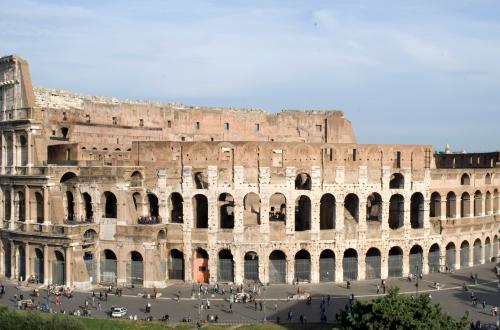
The Flavian Amphitheatre (The Colosseum)
Monuments
 Condividi




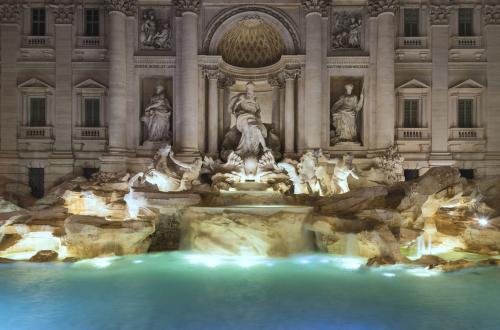
The most famous of the Roman fountains: a jewel of water and stone
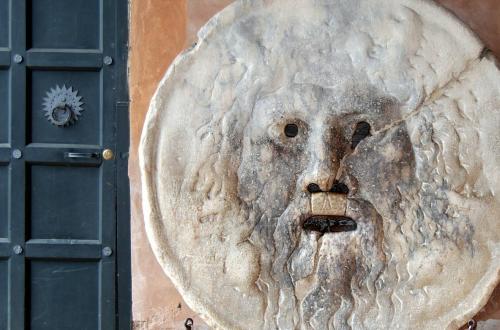
According to legend, the history of Rome begins right here

An unmissable opportunity to plan your own future in the field of Fashion
Rome is a perfect destination for tourism and in particular for school trips
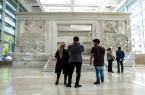
The inestimable artistic heritage of Rome is the preferred destination for the many students who decide to benefit from the many cultural opportunities that the city offers
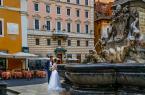
Rome is the perfect choice for a romantic and refined wedding, enriched by a millenary history

Tradition, sartorial mastery, and innovative technologies in a unique setting
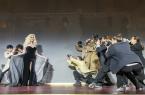
Glamour, myth and beauty: a city where even fashion is a legend
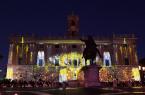
Beauty and art, magnificent spectators of a thousand-year history
The endless opportunities for fun in Rome
Rome is the ideal destination for Tourism Business
How and where to see live sporting events

How and where to train body and mind in the second greenest capital of Europe
History, fascinating facts, and useful information to fully experience the magic of the Eternal City
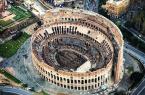
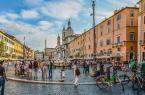
Seven unusual itineraries to discover the city from new perspectives
Stories, places, and secrets – a guidebook to an eternal city.

A puzzle of voices and experiences: bloggers explain Rome

A great wealth of knowledge and experience accumulated in the past
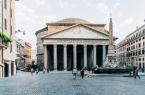
Wealth, splendor and magnificence immersed in the magic of history
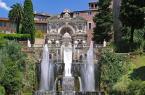
Discover the amazing city and its magnificent villas


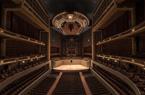

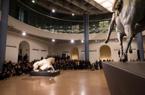

An itinerary between millenary architectures and daring contemporary visions
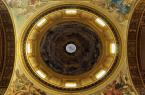
Rome, the ideal setting for cinema masterpieces and great melodies
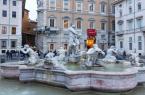
A trip inside the museums between Piazza Navona and its surroundings

An exciting itinerary for visitors with only a short time to discover the city’s main attractions

Three intense days to experience the unmissable attractions of Rome
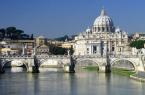
A perfect five day itinerary for an unforgettable Roman holiday
Indoor & outdoor activities and attractions
Discovering precious collections from prehistory to contemporary art

Simple and delicious traditional recipes

Typical sweets of the Roman Castles of very ancient origin

The marine soul of Rome
Flavours and ancient traditions in a place where time seems to have stopped
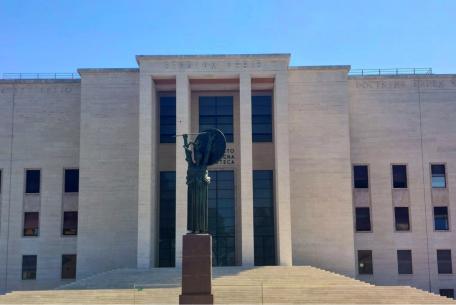
Inaugurated in 1935 in the presence of King Victor Emmanuel III, the construction of the Città Universitaria (University City) had begun only three years earlier, when the project
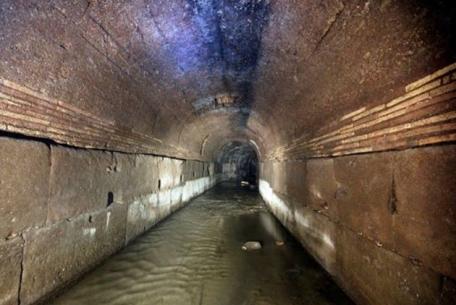
[...]
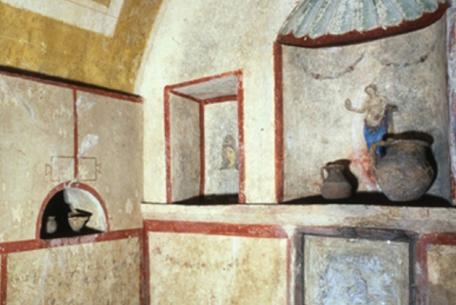
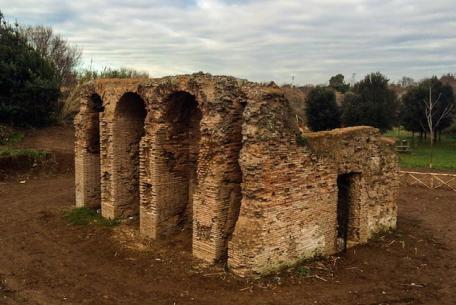
The two sepulchres are spread over an area crossed by the via Latina and via Labicana, an agricultural area characterized by the presence of the Claudian aqueduct.
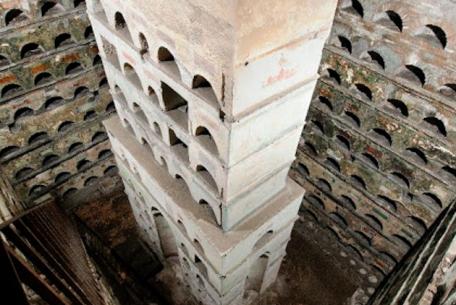
The Colombariums are located inside the Codini Vineyard, between the Scipioni Park and the Aurelian Walls, near Porta San Sebastiano, in an area o
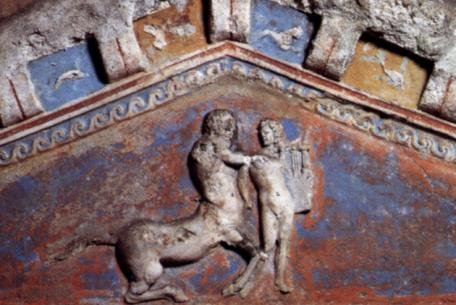
[...]
The term columbarium refers to a burial chamber which walls are covered with rows of niches in which cinerary urns, small clay pots containing the ashes of the dec
[...]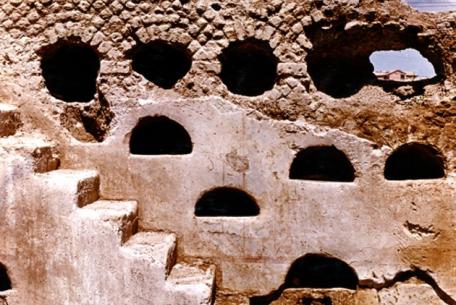
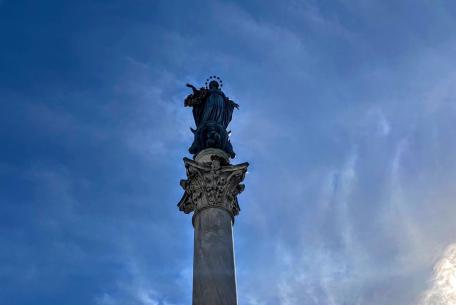
Along the sides of the via Prenestina, as was the case for the main road axes in Roman times, there were vast sepulchral areas formed largely by columbaria
[...]
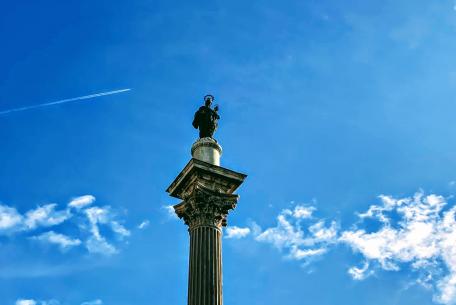
In front of the splendid Basilica of Santa Maria Maggiore, in the centre of the square of the same name
[...]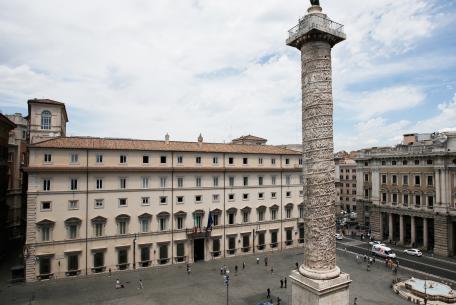
The Column that stands in the center of the square having the same name was erected between the year of the death of Marcus Aurelius in 180 AD, and 193 AD.
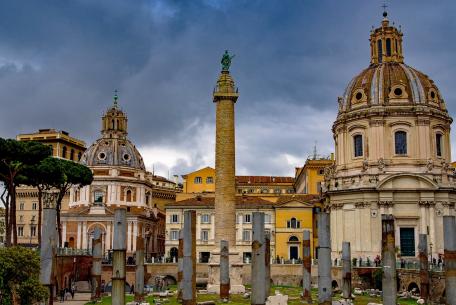
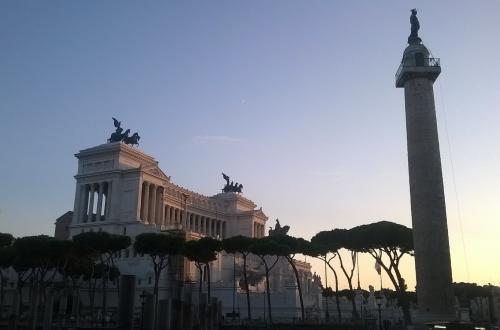
Erected in 113 A.D. to celebrate the deeds of emperor Trajan in Dacia, the Trajan's Column was the first triumphal one - with decorations that spiral along the shaft - ever raised.
[...]
At the time of Augustus the whole area around the church was a residential quarter, with large villae and domus of the wealthiest families of the time.
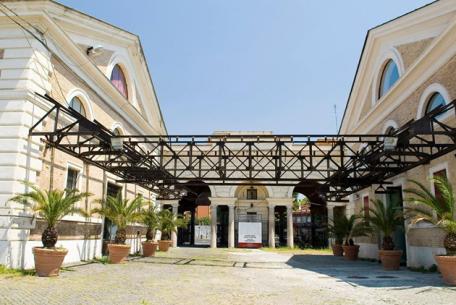
Located in the heart of Rione XX - Testaccio, the architectural complex of the Mattatoi
[...]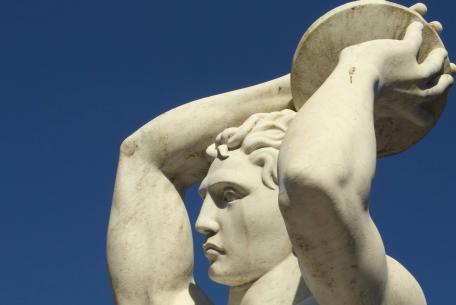
Located on the slopes of Monte Mario, the complex was conceived at the end of the 1920s by Renato Ricci, then president of the ONB - Opera Nazionale Balilla.
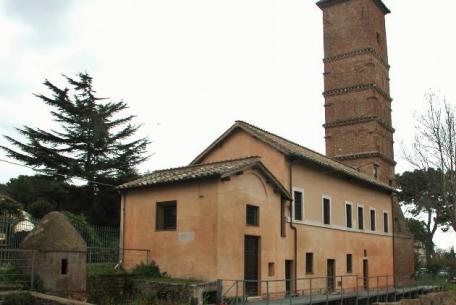
Thanks to a successful excavation campaign begun in 1970, a Christian basilica - dating back to the 4th century A.D.
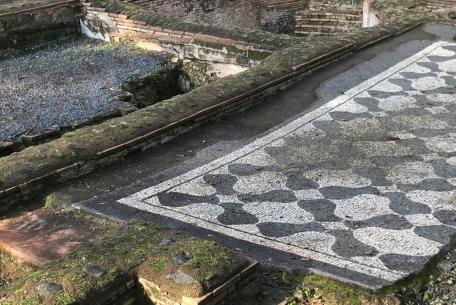
The Capo di Bove archaeological complex is a green area of more than 8,500 square meters with two buildings (a rustic farmhouse converted into a villa after the Se
[...]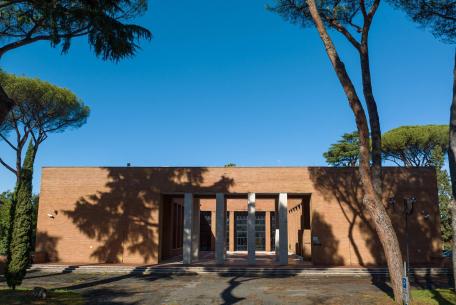
The Vittorio Locchi boarding school, inaugurated on October 28, 1936, was originally intended for the daughters of employees of the Post-Telegraph Institute, prima
[...]
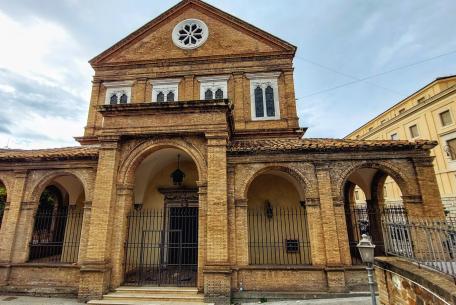
The origins of the Complex date back to 727 AD, when the king of the Saxons INA established the "Schola Saxonum" to give hospitality to the pilgrims headed to the Tomb of the Apostle Peter.
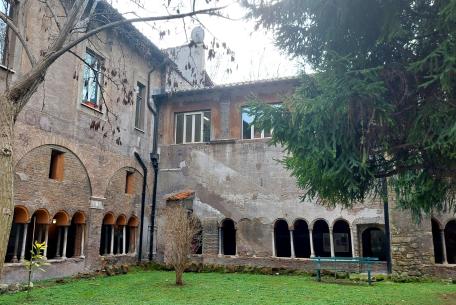
The Presidio Nuovo Regina Margherita overlooks Piazza San Cosimato, just a few steps from Viale Trastevere.
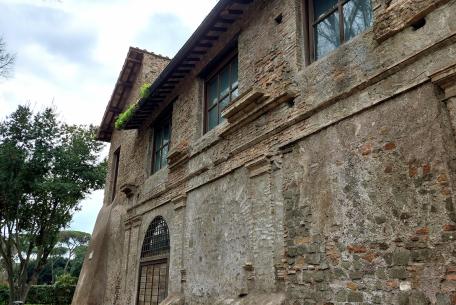
Owned by the municipality of Rome, this simple and enchanting small building on the slopes of the Caelian is a
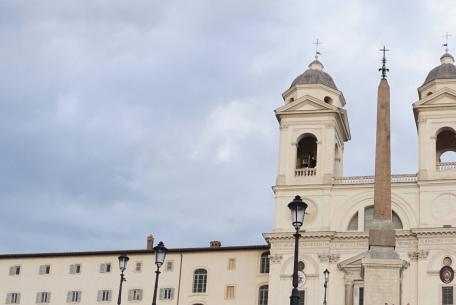
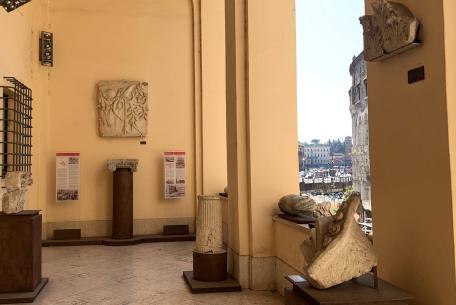
Founded by Francis of Paola (1416-1507) in 1494 with funding from the crown of France, the "royal convent of the Trinity of the Mounts" experienced a splendid period between the 16th and 17th centu
[...]
An archaeological site very important for ancient Rome that comprises the area between the temple of Apollo and the temple of Bellona.
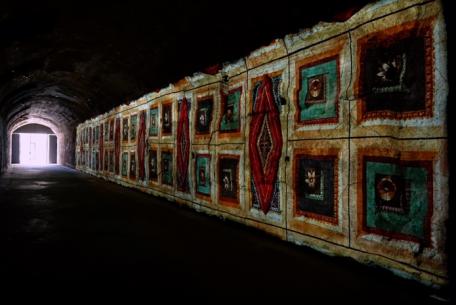
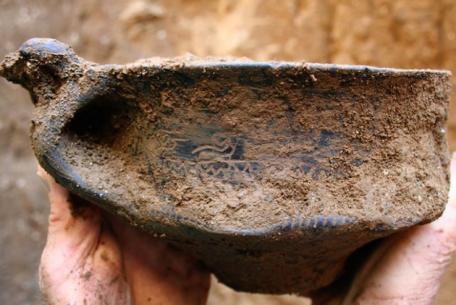
The town of Crustumerium stood between Eretum, today's Monterotondo, and Fidenae and was located on a plain overlooking the Tiber valley and the ancient
[...]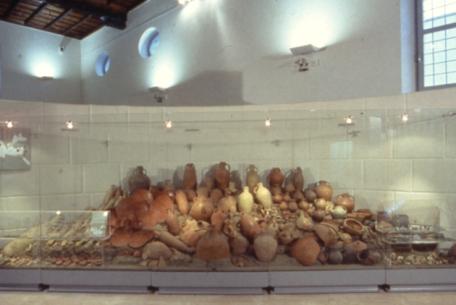
The theatre was built by L. Cornelius Balbus the Younger in the year 13 AD, behind the Portico d’Ottavia in the heart of the current Jewish quarter.
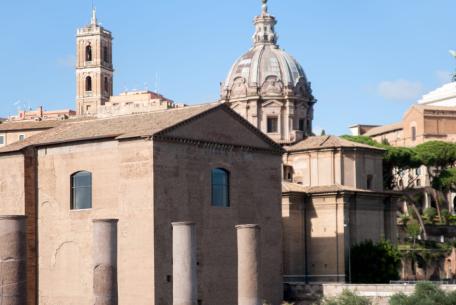
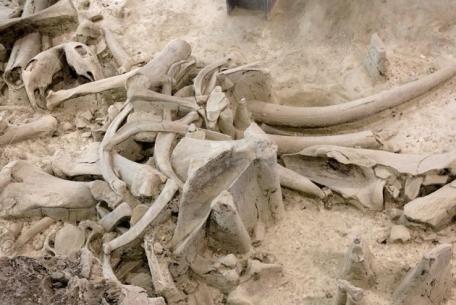
The La Polledrara deposit is located about 20 km north-west of Rome, between the via Aurelia and Boccea and constitutes one of the richest paleontological deposits in exist
[...]
Condividi
 Condividi
 Condividi
 Condividi
 Condividi
 Condividi
 Condividi