The Flavian Amphitheatre (The Colosseum)
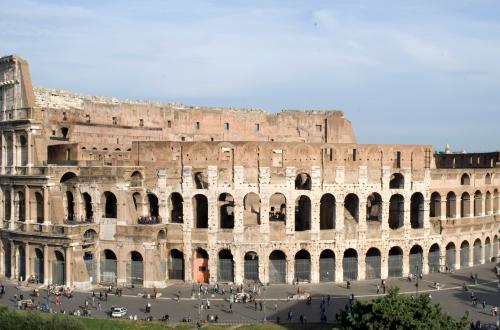
The Flavian Amphitheatre (The Colosseum)
Monuments
 Condividi




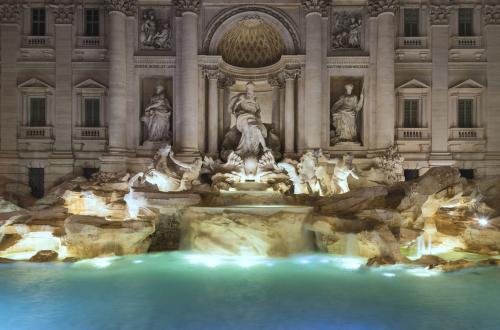
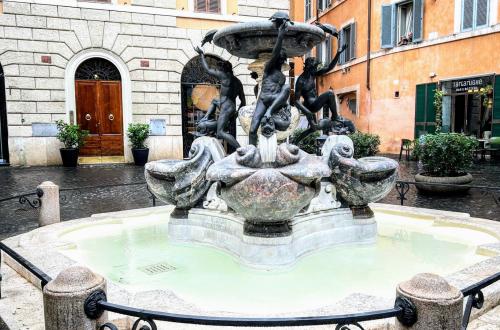
The most famous of the Roman fountains: a jewel of water and stone
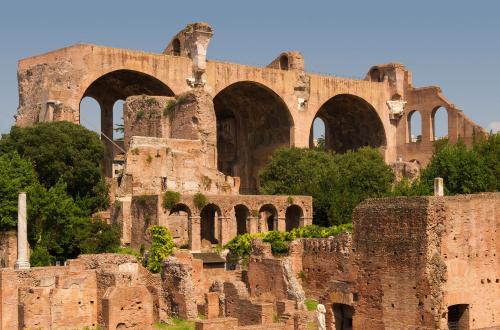
According to legend, the history of Rome begins right here

An unmissable opportunity to plan your own future in the field of Fashion
Rome is a perfect destination for tourism and in particular for school trips

The inestimable artistic heritage of Rome is the preferred destination for the many students who decide to benefit from the many cultural opportunities that the city offers
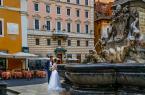
Rome is the perfect choice for a romantic and refined wedding, enriched by a millenary history

Tradition, sartorial mastery, and innovative technologies in a unique setting

Glamour, myth and beauty: a city where even fashion is a legend
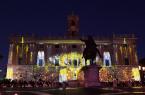
Beauty and art, magnificent spectators of a thousand-year history
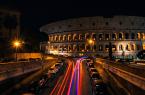
The endless opportunities for fun in Rome

Rome is the ideal destination for Tourism Business
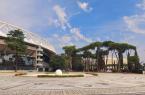
How and where to see live sporting events

How and where to train body and mind in the second greenest capital of Europe
History, fascinating facts, and useful information to fully experience the magic of the Eternal City

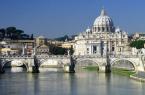

Seven unusual itineraries to discover the city from new perspectives
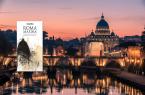
Stories, places, and secrets – a guidebook to an eternal city.

A puzzle of voices and experiences: bloggers explain Rome

A great wealth of knowledge and experience accumulated in the past
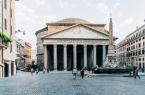
Wealth, splendor and magnificence immersed in the magic of history
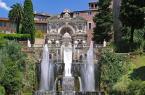
Discover the amazing city and its magnificent villas


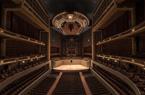

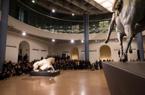

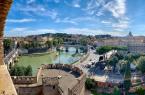
An itinerary between millenary architectures and daring contemporary visions
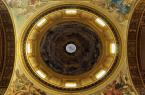
Rome, the ideal setting for cinema masterpieces and great melodies
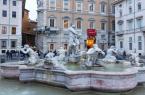
A trip inside the museums between Piazza Navona and its surroundings

An exciting itinerary for visitors with only a short time to discover the city’s main attractions

Three intense days to experience the unmissable attractions of Rome
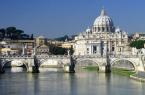
A perfect five day itinerary for an unforgettable Roman holiday
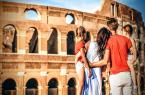
Indoor & outdoor activities and attractions
Discovering precious collections from prehistory to contemporary art

Simple and delicious traditional recipes

Typical sweets of the Roman Castles of very ancient origin

The marine soul of Rome
Flavours and ancient traditions in a place where time seems to have stopped
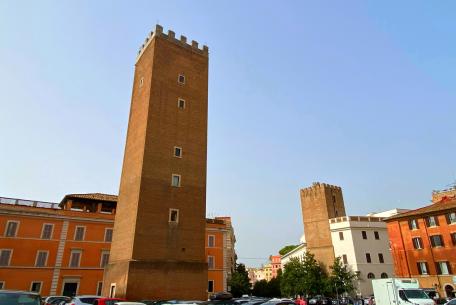
The building, which stands right in the middle of the square, was built by the Arcioni family, and later passed to the Capocci, a noble family from Viterbo.
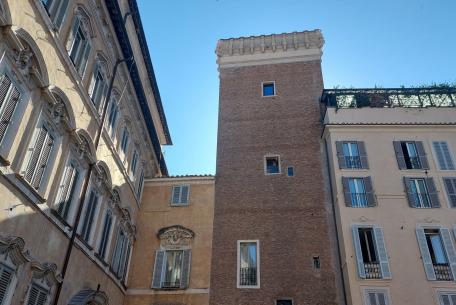
Amid the steep ups and downs of the Rione Monti, a picturesque 17th-century mansion encompasses an equ
[...]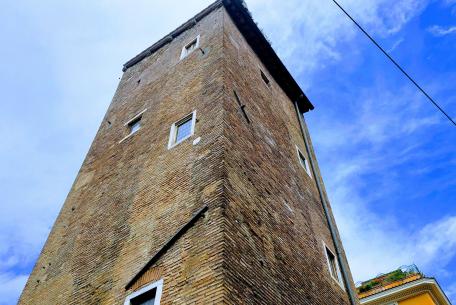
It is one of the few survivors of the more than 300 towers that defined the skyline of medieval Rome, although at the time it was embedded in the urban fabric and
[...]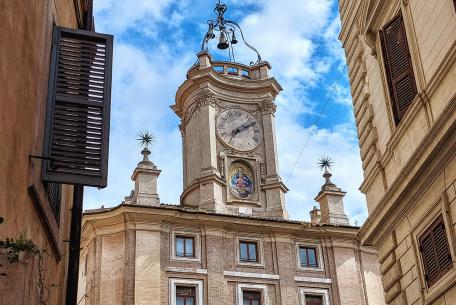
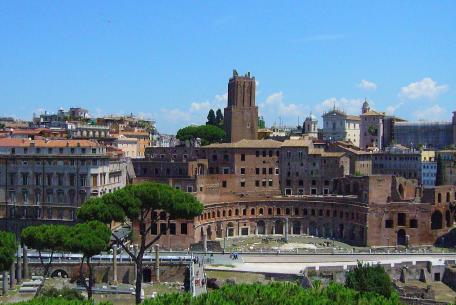
Although it does not rank among Rome’s best-known great monuments, it is still one of the city’s landmarks and it is no coincidence that the large central clock that dominates its
[...]
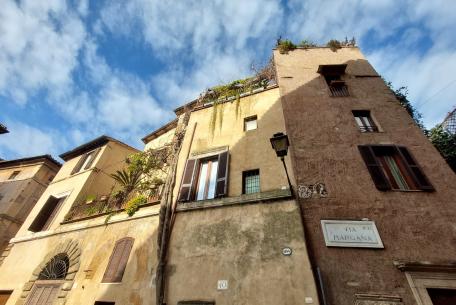
Rome also has a leaning tower, you just have to look at it from afar to notice its inclination: located on the western end of the Quirinale Hill and about 50 meters high, it is the
[...]
In the charming and quiet little square where the Margana Tower stands, a stone’s throw from the Capit
[...]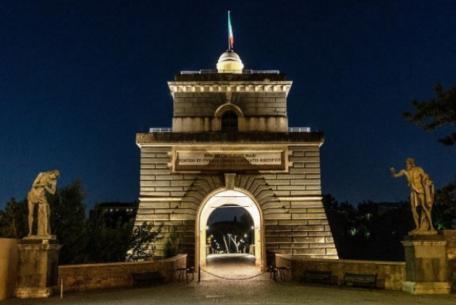
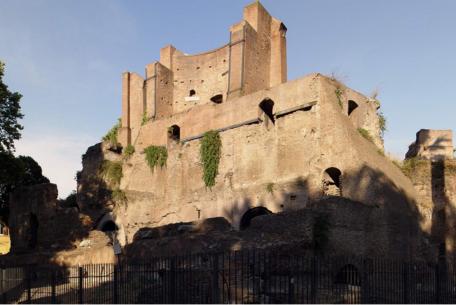
Nel 1805, Papa Pio VII commissionò nuovi lavori di restauro al grande architetto Giuseppe Valadier che ne progettò il riassetto, sostituendo i ponti levatoi ed edi
[...]
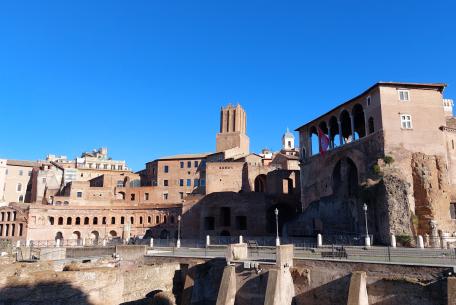
A privileged view of the Imperial Forum excavations and Trajan's Markets
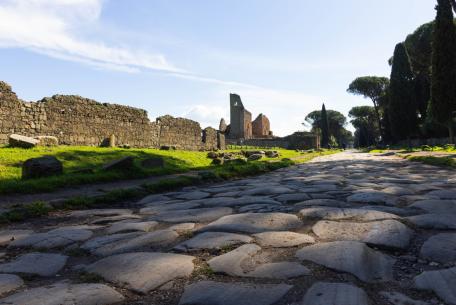
Located in the park of the samen name, the Appian Way keeps a historical, archaeological, and architectural heritage unique in the world.
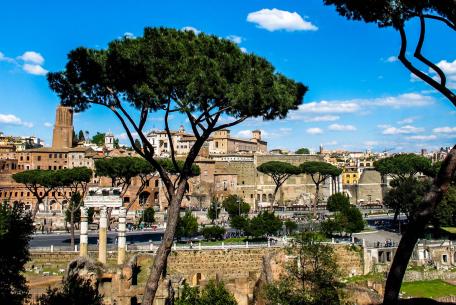
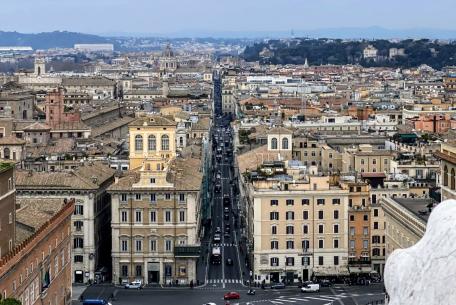
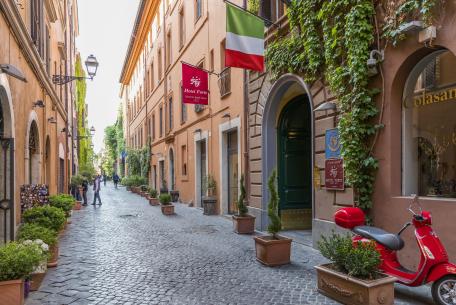
"Noble simplicity and quiet grandeur": this is how the great art historian Johann Joachim Winkelmann (1717-1768) described this small street in the center of Rome.
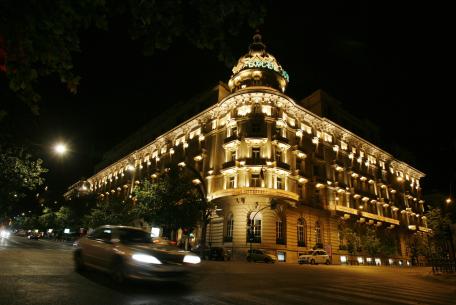
Located in the historical center of Rome, via Vittorio Veneto, known as via Veneto, connects Piazza Barberini<
[...]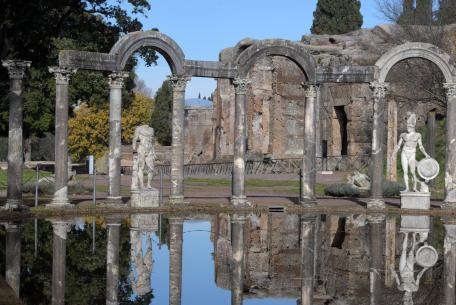
Built by the Emperor Hadrian (117-138 AD), in a large valley rich in of green and water near Tivoli
[...]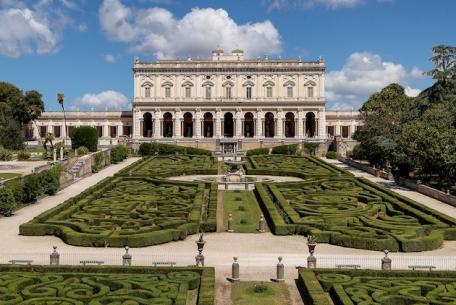
Owned by the Torlonia family since 1866, the Villa was built in the mid-18th century for Cardinal Alessandro Albani, nephew of
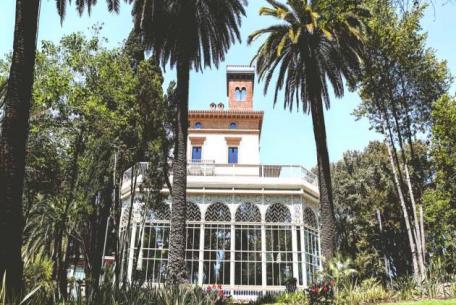
The Villa was commissioned by Baron Alberto de Blanc and created by archeologist and architect Giacomo Boni in 1897.
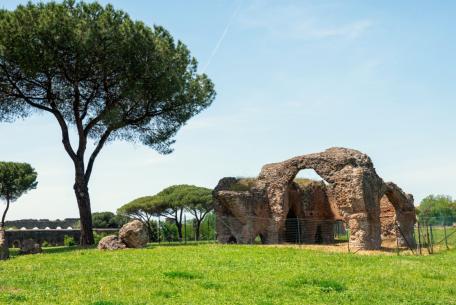
The monumental remains of the so-called Villa delle Vignacce rise within the Parco degli Acquedotti
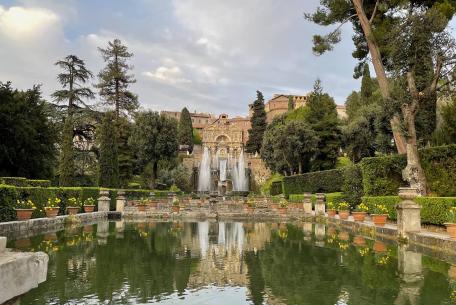
[...]
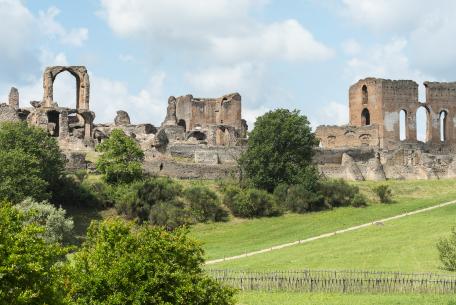
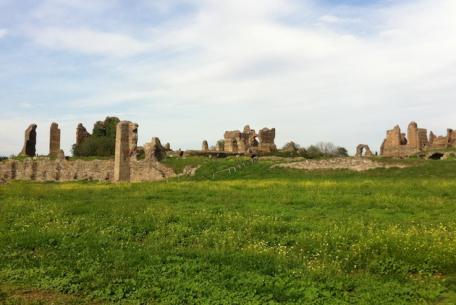
Located at the fifth mile of the Via Appia Antica, the Villa dei Quintili, the largest residential complex in the suburb of Rome, is part of the Archaeological Park of Appia Antica
[...]
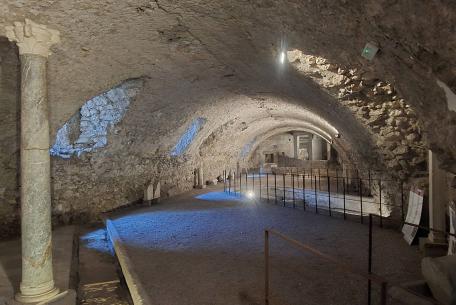
The complex of the so-called Villa of Sette Bassi is located on via Tuscolana, near the intersection with via delle Capannelle, from which you can see the most imp
[...]
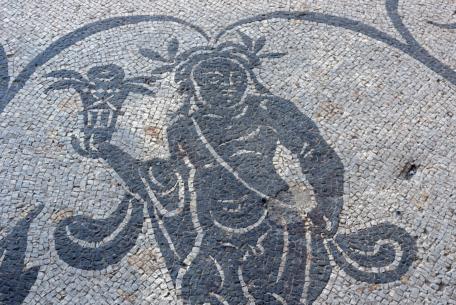
Below the Ospedale San Giovanni, an excavation has brought to light a building dating from the 1st to the 4th century, which has been identified as the home of the mother of Emperor Marcus Aurelius
[...]
Today’s archaeological area surrounded by a pleasant park and with a timeless beauty was once the lavish residence built in ancient Rome by Livia, the charismatic third wife of Emperor Augu
[...]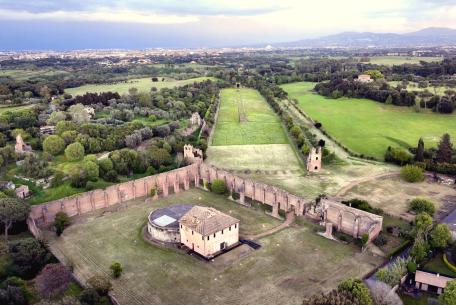
The Villa of Maxentius complex stretches between the second and third mile of the Via Appia Antica and i
[...]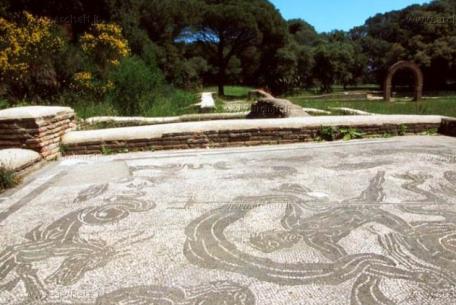
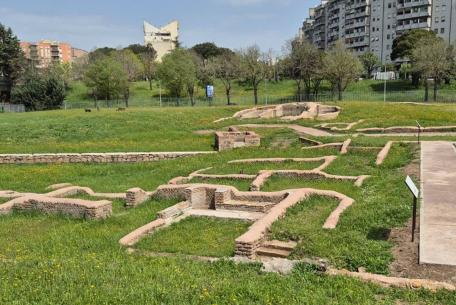
The villa is located in Ostia, between the park of Castel Fusano and the estate of Castel Porziano.
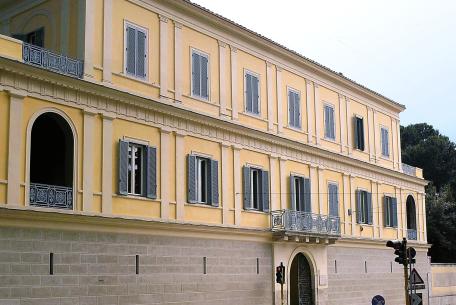
The present palazzina Vagnuzzi was built by restoring the so-called 'casino del Monte', dating from the 16th century, which had been part of the Villa Poniatowski since the 17th century.
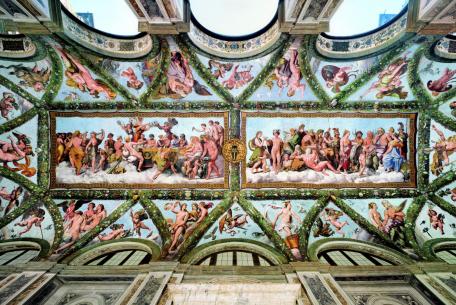
The Villa della Farnesina alla Lungara, in the heart of Rione Trastevere, is one of the nobles
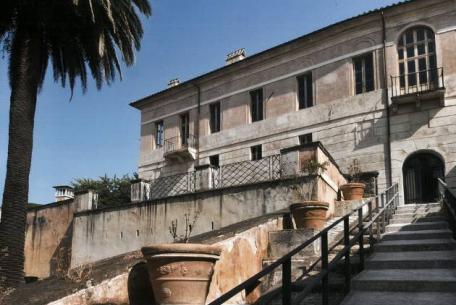
[...]
The villa is located in Flaminio district and was formerly known as Villa Cesi<
[...]
Condividi
 Condividi
 Condividi
 Condividi
 Condividi
 Condividi
 Condividi