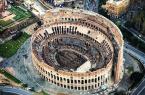
The Flavian Amphitheatre (The Colosseum)
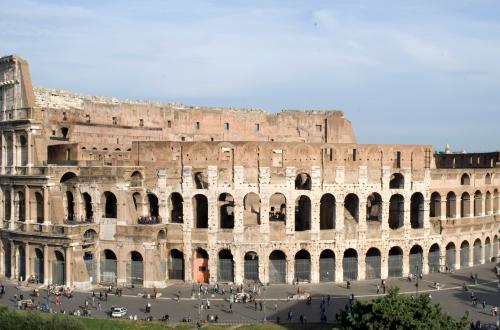
The Flavian Amphitheatre (The Colosseum)
Monuments
 Condividi




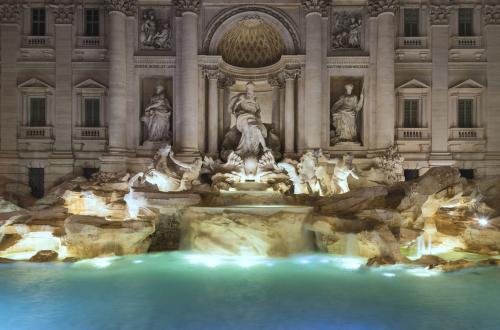
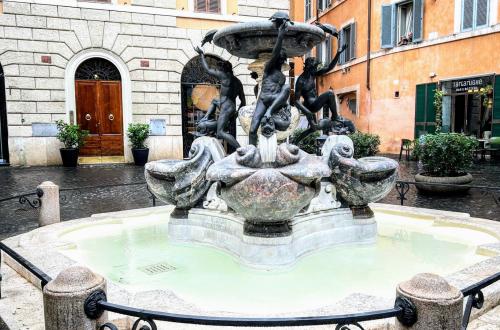
The most famous of the Roman fountains: a jewel of water and stone
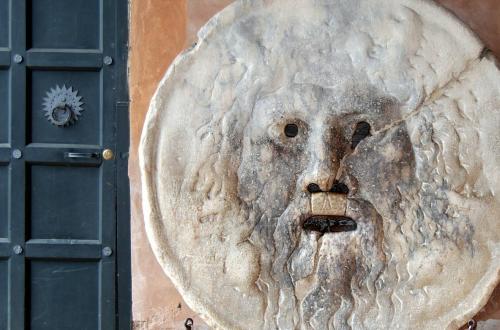
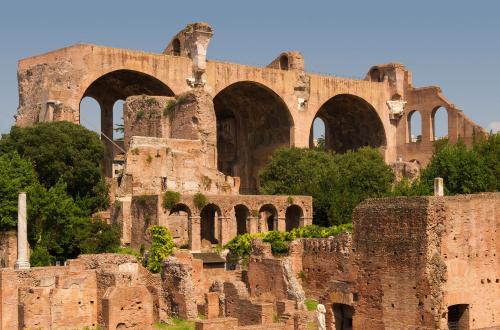
According to legend, the history of Rome begins right here

An unmissable opportunity to plan your own future in the field of Fashion
Rome is a perfect destination for tourism and in particular for school trips
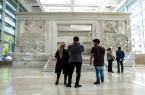
The inestimable artistic heritage of Rome is the preferred destination for the many students who decide to benefit from the many cultural opportunities that the city offers
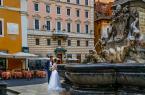
Rome is the perfect choice for a romantic and refined wedding, enriched by a millenary history

Tradition, sartorial mastery, and innovative technologies in a unique setting
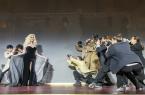
Glamour, myth and beauty: a city where even fashion is a legend
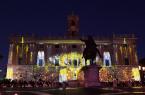
Beauty and art, magnificent spectators of a thousand-year history
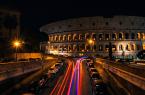
The endless opportunities for fun in Rome
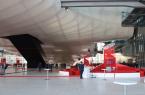
Rome is the ideal destination for Tourism Business
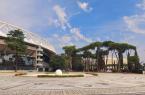
How and where to see live sporting events

How and where to train body and mind in the second greenest capital of Europe
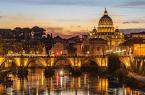
History, fascinating facts, and useful information to fully experience the magic of the Eternal City
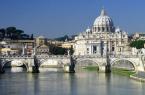

Seven unusual itineraries to discover the city from new perspectives
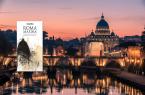
Stories, places, and secrets – a guidebook to an eternal city.

A puzzle of voices and experiences: bloggers explain Rome

A great wealth of knowledge and experience accumulated in the past
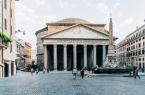
Wealth, splendor and magnificence immersed in the magic of history
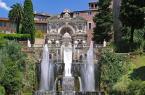
Discover the amazing city and its magnificent villas
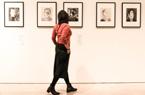

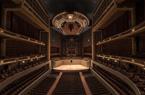

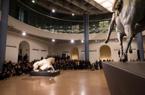
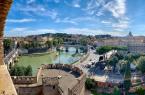
An itinerary between millenary architectures and daring contemporary visions
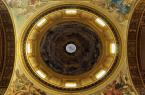
Rome, the ideal setting for cinema masterpieces and great melodies
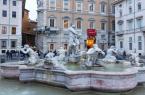
A trip inside the museums between Piazza Navona and its surroundings

An exciting itinerary for visitors with only a short time to discover the city’s main attractions

Three intense days to experience the unmissable attractions of Rome
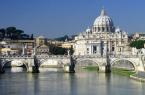
A perfect five day itinerary for an unforgettable Roman holiday
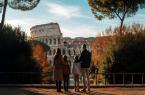
Indoor & outdoor activities and attractions
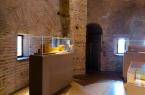
Discovering precious collections from prehistory to contemporary art

Simple and delicious traditional recipes

Typical sweets of the Roman Castles of very ancient origin

The marine soul of Rome
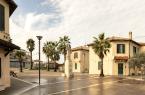
Flavours and ancient traditions in a place where time seems to have stopped
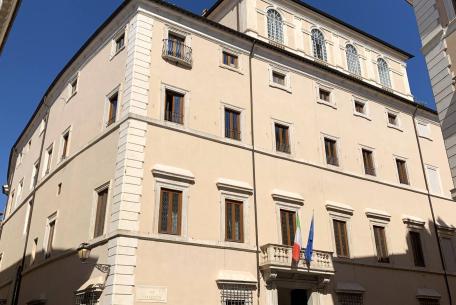
The palace was built at the end of the 16th century by an unknown family, whose abraded coat of arms can be seen on the cornice and in the courtyard, on the site of the Melangolo Tower, shown on Bu
[...]The original structure of the Palace dates back to a modest house that Gaspero dei Garzoni di Jesi purchased in 1512 from Alfonsina Orsini and which was modified in a series of works carried out at
[...]Il Ministero delle Imprese e del Made in Italy ha sede nello storico Palazzo Piacentini, realizzato da due figure di spicco del panorama architettonico italiano: M
[...]The construction of the palace dates back to the 16th century; it first belonged to the Gottifredi family - this ownership is still indicated in Nolli's 1748 plan - then, at the end of the 18th cen
[...]The building has eighteenth-century shapes enlivened by the double portal with columned balcony and the tympanums of the windows on the main floor.
This is the most imposing palace in Via Giulia, designed and built by Antonio da Sangallo the Younger (1483-1546), whose residence it was, as indicated by the inscription on the left of the balcony
[...]Luogo culturale in divenire, Palazzo San Felice, attualmente in cantiere, sarà futura sede della Biblioteca di Archeologia e Storia dell’Arte.Il progetto di trasformazione del comp
[...]The Palace was built towards the end of the 16th century.
This palace is one of the best examples of Roman civil architecture of the late 16th century; built on commission by Ottaviano Crescenzi to a design by Giacomo Della Porta (1540-1602), it was howev
[...]The palace was built in1458 as the seat of the Apostolic Chancellery by Cardinal Rodrigo Borgia who, after becoming Pope Alexander VI (1492-1503), donated it to Cardinal Ascanio Sforza.
A singular palace located in Via Capo le Case, in the Colonna district.
In the 17th century the Palazzo was home to nobles and high prelates, until it was purchased by Cardinal Tonti.
Palazzo Verospi Vitelleschi, adjacent to the Bonaparte palace and separated from the Doria Pamphilj palace by Vicolo Doria, is an 1887 reconstruction by the architect Luigi Tedeschi of a palace bui
[...]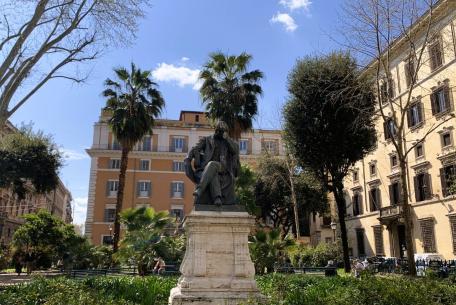
Benedetto Cairoli Square is dedicated to Benedetto Cairoli (1825-1889), a great fighter in the Five Days of Milan, but also at Custoza, Varese, Calatafimi, Mentana and Giuseppe Garibaldi's aide in
[...]Piazza di Porta Maggiore is overlooked by one of the most gorgeous monuments of the Roman empire.
Piazza Belli owes its name to Giuseppe Gioacchino Belli (1791- 1863), a Roman poet who wrote in Roman dialect and left with its sonnets a vivid picture of Rome of the first half of the 19th century
[...]Piazza Santa Maria Liberatrice
Ponte del Risorgimento is a bridge connecting Piazzale delle Belle Arti with Piazza Monte Grappa in Rome's Flaminio and Della Vittoria districts.
A cycle-pedestrian structure on the Tiber river, located between Ponte dell'Industria and Ponte Marconi.
The bridge links the districts Regola and Trastevere and is named after Garibaldi. It was built in 1888 in memory of the history of Garibaldi’s wars and victories in the two worlds.
The construction of the bridge, dedicated to the scientist Guglielmo Marconi, began in 1937, the same year of his death. Due to the Second World War, work was suspended and resumed in 1953.
The bridge was destroyed and rebuilt several times during the centuries and was destroyed by Totila in 544 AD.
The Testaccio bridge connects the Testaccio riverfront to the Portuense district with a single reinforced concrete arch.
Condividi
 Condividi
 Condividi
 Condividi
 Condividi
 Condividi
 Condividi