




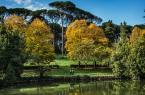







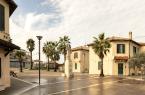
The Capo di Bove archaeological complex is a green area of more than 8,500 square meters with two buildings (a rustic farmhouse converted into a villa after the Second World War and an annex), located at the beginning of the fourth mile of the Via Appia Antica, not far from the Mausoleum of Cecilia Metella. The name dates back to the Middle Ages, when the frieze decorated with garlands of flowers and fruit and bucrania (ox skulls) that adorned the mausoleum gave rise to the name by which the Roman funerary monument became popularly known, which was then extended to the entire surrounding area.
After being purchased by the Italian state in 2002, the area underwent extensive archaeological investigations. Excavations uncovered a thermal bath complex dating back to the mid-2nd century AD, with subsequent construction phases documenting its use until at least the 4th century. In the early Middle Ages, the entire area became part of the vast agricultural church-owned estate of the Patrimonium Appiae and was then purchased in the early 14th century by Cardinal Francesco Caetani (nephew of Pope Boniface VIII), who also built the castrum adjacent to the mausoleum and the small church of San Nicola. In the 17th century, the area belonged to the Hospital of the Santissimo Salvatore ad Sancta Sanctorum, while in the 19th century, before becoming private property, it was under the control of the monastery of St. Paul Outside the Walls.
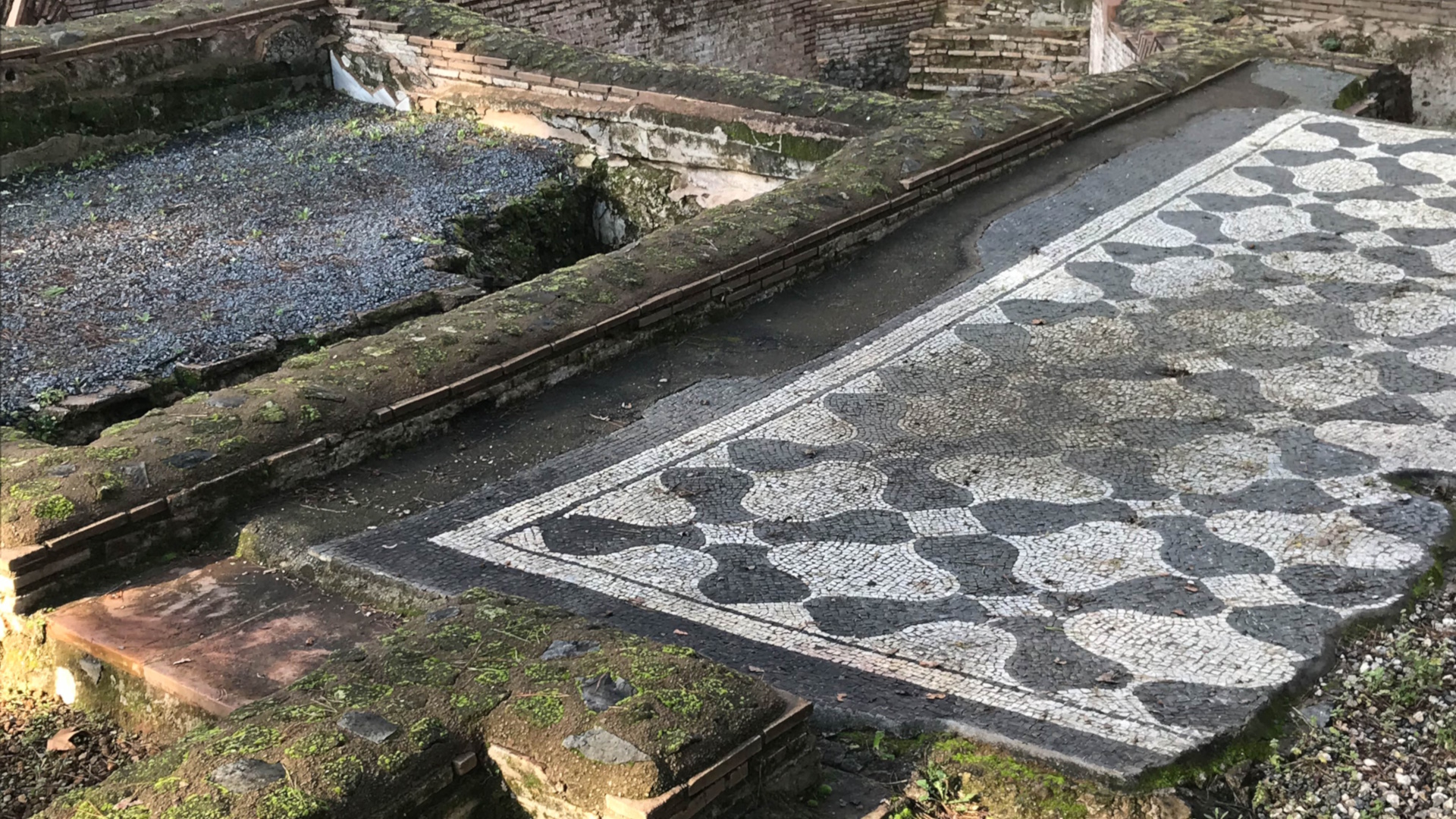
Dozens of rooms remain from the baths: mosaic floors, fragments of colored marble and portions of painted plaster hint at the particular refinement and elegance of the thermal complex, whose water supply was provided by a large cistern. The water was disposed of through a complex sewage system, which is partially preserved. The complex, probably for private use, was perhaps connected to a guild or collegium active in the area, possibly for cult or funerary purposes. However, the discovery of a marble slab with an inscription in Greek mentioning Annia Regilla (Regilla, light of the house) has led to the hypothesis that the land on which the baths stood belonged to the woman and her husband Herodes Atticus, the wealthy Athenian (with Roman citizenship) who was tutor to the emperors Marcus Aurelius and Lucius Verus.
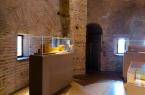
The main building in the area was built over the Roman cistern and has been extensively remodeled over the centuries. In the 1950s, when it became a villa, ancient materials were incorporated into its walls, many of which were recovered from the Roman monuments that flanked the Appian Way. Today, it houses the offices of the Superintendency, a conference room, spaces for exhibitions and events, and the Archive and Library of Antonio Cederna, the archaeologist, journalist, environmentalist, politician and intellectual who fought, among other things, for the establishment of the Appia Antica Park. The smaller building houses a visitor reception point.
Entrance to the garden is free. To enter the farmhouse and the exhibitions inside, you must have an admission ticket.
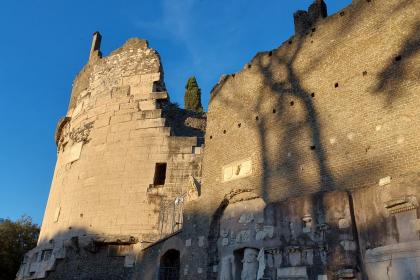
The Mausoleum of Caecilia Metella
 Condividi
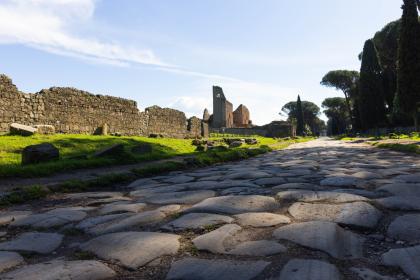
The Appian Way
 Condividi
Information
TEMPORARILY CLOSEDOpen on Tuesdays, Thursdays and Sundays with last entry 30 minutes before closing time.Closed on 25th December and 1st January.From 1st October to 31st October from 9 to 18.30From 1st November to 28th/29th February from 9 to 16.30From 1st March to 31st March from 9 to 18.30From 1 April to 30 September from 9 to 19.15For updates anduidelines, please visit the official website.
Condividi
Location
To find out about all accessibility services, visit the Rome accessible section.