

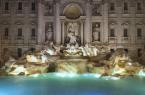













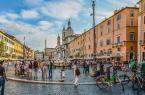
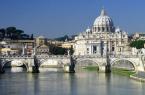





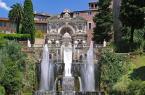






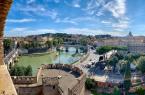
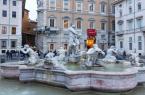


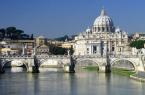




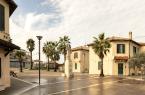
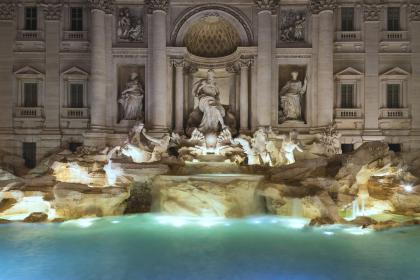
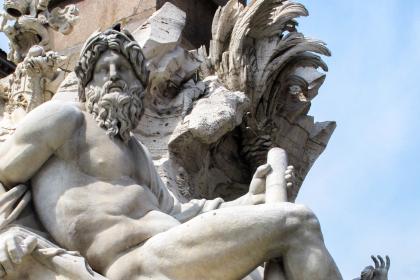
Without water, Rome would not be Rome. From its very beginnings, the city has built its millennia-old identity around this vital element. It was born, developed and evolved along the banks of the Tevere. Romans later constructed their ingenious aqueducts, and thanks to great minds such as Gian Lorenzo Bernini and Nicola Salvi, to name but a few, the city gave rise to monumental fountains such as the Fontana dei Quattro Fiumi in Piazza Navona and the Fontana di Trevi, among the most recognisable symbols of Rome and of Baroque art and culture.
From these extraordinary feats of human ingenuity to the more accessible public drinking fountains, the step is a short one: water has always played a central role in Rome’s urban life. Even today – indeed, today more than ever – water is available to everyone, fresh, excellent and free of charge.
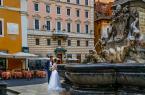
Among the most loved and representative symbols of Rome are undoubtedly the nasoni, the typical cylindrical cast-iron drinking fountains with their distinctive curved spout. A symbol of the Roman vision of water as a public good, these small urban gems are now a living tradition. Through a simple, spontaneous gesture such as stopping for a drink, they accompany every step through the city’s squares and narrow streets. Still present today in thousands of examples, the nasoni were introduced in 1874 by the then Mayor Luigi Pianciani and Councillor Rinazzi to provide free drinking water and relieve pressure on the water network. For over 150 years, they have continued to fulfil their daily role, quenching the thirst of Romans and visitors alike.
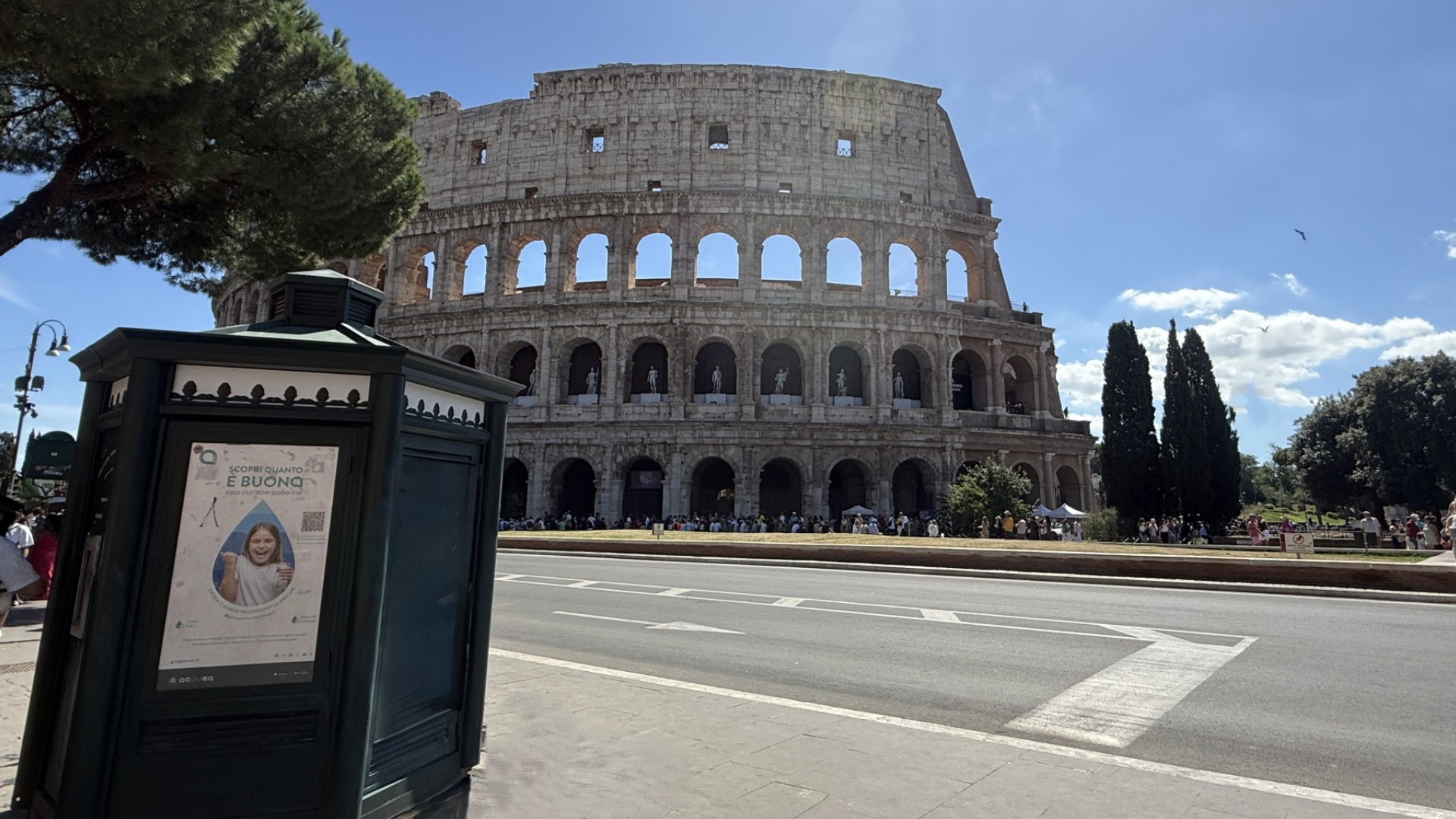
Today, Rome has been able to introduce new solutions that engage in dialogue with these legendary fountains, building an ideal bridge between past, present and future through the Water Houses. These are true technological fountains that stand alongside the nasoni, offering additional, up-to-date services and responding to the needs of a city increasingly focused on sustainability and innovation.
Installed in various areas of the city and the Province of Rome, the Acea Case dell’Acqua are designed to provide free, high-quality drinking water to both residents and tourists. Before being dispensed, the water undergoes numerous checks, ensuring high standards of quality and safety.
At the Case dell’Acqua, users can freely draw fresh water at around 9 degrees Celsius, either still or sparkling, choosing from three quantities: a glass, half a litre or one litre. This system encourages the use of reusable bottles and helps reduce single-use plastic bottles.
The Case dell’Acqua also offer innovative digital services designed to make everyday life easier. Users can, for example, recharge their mobile phones and tablets via built-in USB ports, or consult public information through high-definition screens displaying weather updates, neighbourhood news and communications from the water service provider.
The installations are located in squares, local markets, parks and historic villas, following a path agreed with the Municipalities, so as to integrate harmoniously into the urban fabric. You can consult their distribution across the city via the Acquea App (Google Play and iOS) and the dedicated map on the official website of the service provider, making it easy to find the nearest Casa dell’Acqua.
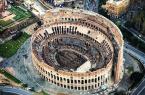
In Rome, there are approximately 35 Water Houses scattered throughout the city, between the Colosseum, Porta Metronia, St. John Lateran, Villa Lazzaroni, St. Lawrence outside the Walls, Piazza San Giovanni Bosco, Termini Station, St. Peter's Station, and Santa Croce in Gerusalemme.
Thanks to its Water Houses, Rome renews its age-old relationship with water, keeping its traditions alive while at the same time experimenting with new forms of public service. From the nasoni to the Water Houses, the underlying idea remains the same: water is a common good – free, controlled and accessible – capable of telling the story of the city’s past and accompanying its future.
Water House facing the Colosseum ph. Turismo Roma
The Nasoni, the fountains of Rome
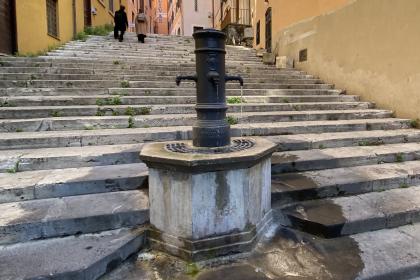
The characteristic fountains installed in many squares and streets of the city
The river Tiber
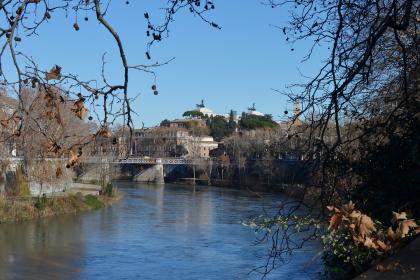
According to legend, the history of Rome begins right here
The Trevi Fountain
 Condividi
The most famous of the Roman fountains: a jewel of water and stone
The Fountain of the Four Rivers
 Condividi
Park of the Aqueducts
 Condividi
Seductive landscapes of wild and still unspoiled nature
Fontanone del Gianicolo (Mostra dell'Acqua Paola)
 Condividi