










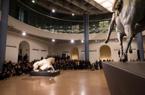

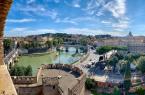
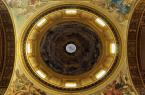
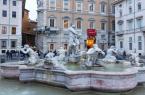






Following the completion of the restoration and enhancement projects carried out by the Capitoline Superintendency as part of the PNRR – Caput Mundi program, nine archaeological sites in Rome are exceptionally opening to the public with a program of free special visits in June. From the most famous monumental areas to lesser-known sites of great historical and archaeological value, the program offers the opportunity to discover the city's cultural heritage, restored thanks to recent restoration and enhancement projects.
At the Circus Maximus, the visitor route has been expanded to include a portion of the hemicycle on the Aventine side, allowing for an even more complete understanding of the history and architecture of the most impressive entertainment venue of antiquity.
For the first time, the archaeological area beneath via delle Botteghe Oscure will also be open to visitors. It preserves the remains of a porticoed square and the imposing column bases of a temple, perhaps the Porticus Minucia Vetus or Frumentaria, and the temple of the Nymphs or Lares Permarini.
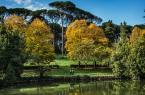
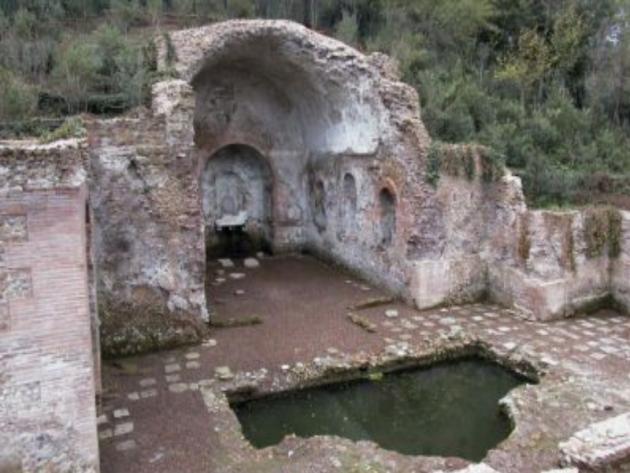
In the Appian Way area, the church of Sant'Urbano alla Caffarella is reopening. Originally a small temple dedicated to Ceres in the 2nd century AD, it was later converted into a Christian building. The monument preserves extraordinary frescoes from the 11th and 17th centuries, the latter linked to the radical renovation commissioned by Pope Urban VIII, in the evocative landscape and historical setting of the Caffarella Valley. As part of the same project, the nearby Nymphaeum of Egeria also underwent extraordinary maintenance.
In Pigneto district, the Torrione Prenestino, one of Rome's largest mausoleums from the Augustan era, measuring 41 meters in diameter, has reopened. It has undergone a conservative and reconstructive restoration project, accompanied by new artistic lighting. The imposing Mausoleum of Monte del Grano, a mid-2nd-century AD monument located in Piazza dei Tribuni, a short walk from the Centocelle Archaeological Park, is also reopening. The exquisite sarcophagus depicting scenes from the life of Achilles, housed in the Capitoline Museums since 1590, also comes from this site.
Not far away, the large circular cistern (2nd century AD) discovered during excavations for the construction of the Via Imperiale (now via Cristoforo Colombo) offers an example of a structure belonging to an ancient agricultural complex, while the remains of the Roman villa of Tor de' Cenci document the presence of a suburban residence active from the 1st century BC to the 5th century AD.
During special openings, specialized guides will accompany visitors to discover the monuments. Subsequently, the sites will become part of the archaeological areas open to visitors upon request or on special occasions.
During special openings, specialized guides accompany visitors to discover the monuments. Subsequently, the sites will become part of the archaeological areas open to visitors upon request or on special occasions.
OPENING SCHEDULE
Sunday, June 7
10:00-13:00 Monte del Grano Mausoleum
15:00-18:00 Tomb in Largo Talamo
Saturday, June 13
10:00 AM - 1:00 PM Church of San Urbano alla Caffarella
Sunday, June 14
10:00 AM - 1:00 PM Roman Villa of Tor De' Cenci and the Archaeological Area of the Circus Maximus
Sunday, June 21
10:00 AM - 1:00 PM Torrione Prenestino
3:00 PM - 6:00 PM Archaeological Area of via delle Botteghe Oscure
Sunday, June 28
10:00 AM - 1:00 PM Rupe S. Paolo
3:00 PM - 6:00 PM Cristoforo Colombo Cistern
Free admission subject to availability, subject to the maximum capacity established for each site.
For information
060608 - sovraintendenzaroma.it
Photo: Mausoleum of the Nymph Egeria in the Caffarella Park
 Condividi