Amphitheatrum Flavium - Kolosseum
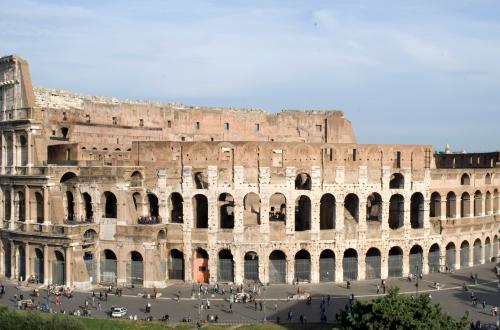
Amphitheatrum Flavium - Kolosseum
Monumente
 Condividi




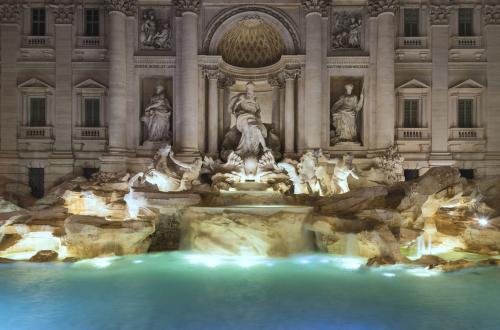
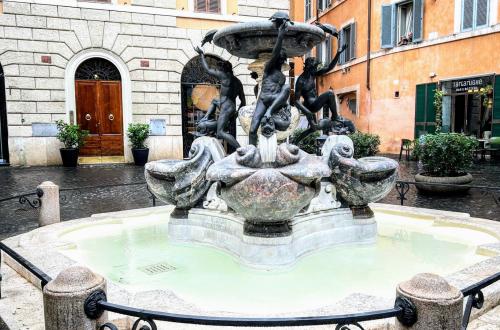
The most famous of the Roman fountains: a jewel of water and stone
Secondo la leggenda, la storia di Roma comincia proprio da qui

An unmissable opportunity to plan your own future in the field of Fashion
Rome is a perfect destination for tourism and in particular for school trips
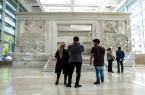
The inestimable artistic heritage of Rome is the preferred destination for the many students who decide to benefit from the many cultural opportunities that the city offers
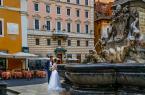
Rome is the perfect choice for a romantic and refined wedding, enriched by a millenary history

Tradition, sartorial mastery, and innovative technologies in a unique setting
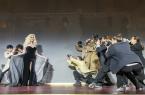
Glamour, myth and beauty: a city where even fashion is a legend
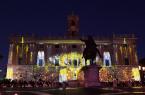
Beauty and art, magnificent spectators of a thousand-year history
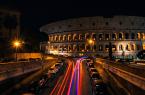
The endless opportunities for fun in Rome
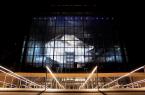
Roma è la destinazione ideale per il turismo Business
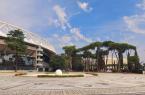
How and where to see live sporting events

Come e dove allenare corpo e mente nella seconda capitale più verde d'Europa
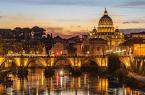
Storia, curiosità e info utili per vivere appieno la magia della Città Eterna
Seven unusual itineraries to discover the city from new perspectives
Stories, places, and secrets – a guidebook to an eternal city.

A puzzle of voices and experiences: bloggers explain Rome

A great wealth of knowledge and experience accumulated in the past
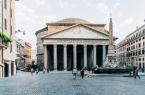
Reichtum, Prunk und Pracht, eingetaucht in die Magie der Geschichte
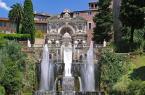
Entdecken Sie Tivoli und seine wunderschönen Villen


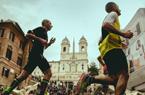
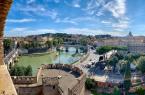
Un itinerario tra architetture millenarie e ardite visioni contemporanee
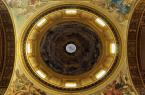
Rom, die ideale Kulisse für Meisterwerke des Kinos und große Melodien
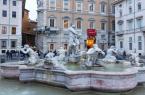
Eine Reise in die Museen der Piazza Navona und Umgebung

Eine Route für diejenigen, die nur wenig Zeit haben, um die Sehenswürdigkeiten Roms kennenzulernen

Rom erleben in drei intensive Tage
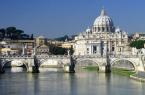
A perfect five day itinerary for an unforgettable Roman holiday
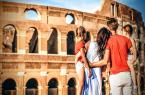
Indoor & outdoor activities and attractions
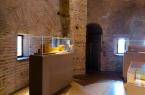
Discovering precious collections from prehistory to contemporary art

Simple and delicious traditional recipes

Typical sweets of the Roman Castles of very ancient origin

Die Meeresseele Roms
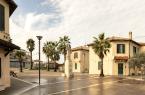
Aromen und alte Traditionen an einem Ort, an dem die Zeit still zu stehen scheint
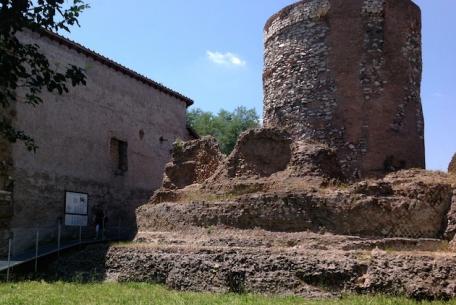
The building stands in front of the Domine quo vadis church, at the crossroads between the ancient Appian Way and the Ardeatina Way and is partly hidden between two farmho
[...]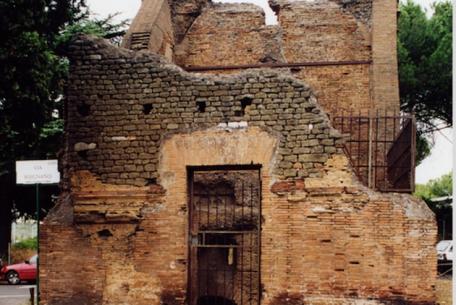
The Sepulcher located on the via Appia Nuova, along the route of the road to Castrimoenium, dates back to the second half of the second century. A.D.
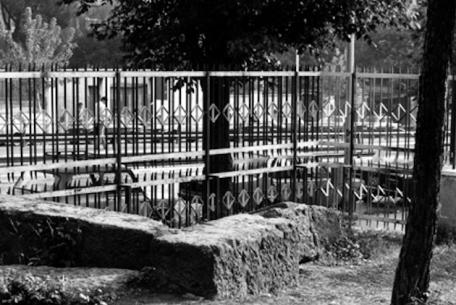
The remains of the tomb can be found today in the Tor Pignattara area, between via Casilina and the Tuscolano district and consist of large square blocks of gabina
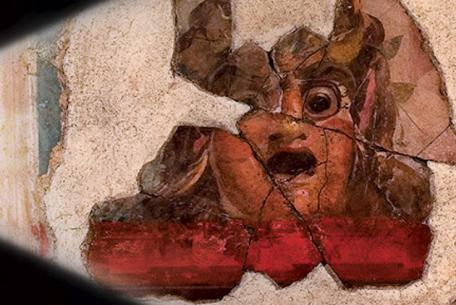
[...]
Un itinerario che attraversa il Foro Romano e il Palatino, arricchito da videoproiezioni, lightmapping<
[...]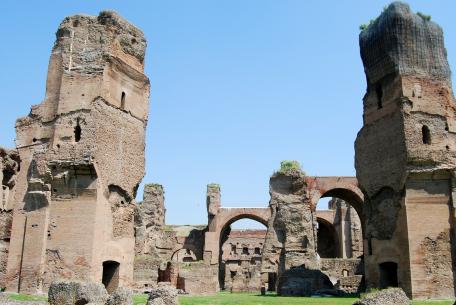
Fondamentali per la sussistenza del complesso, i sotterranei delle Terme di Caracalla pullulavano di centinaia di schiavi e operai specializzati che mandavano avanti l'ingegnosa macchina tecnologi
[...]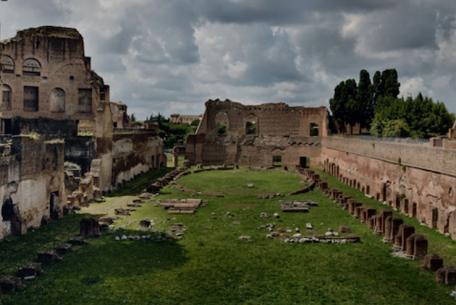
The area, which occupies the eastern side of the imperial palace built on the Palatine Hill, constituted
[...]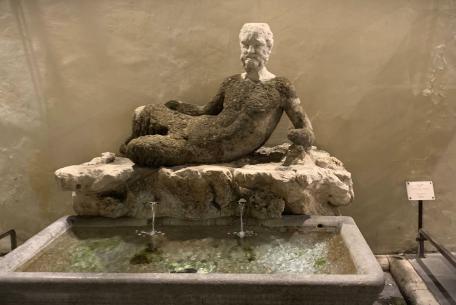
The four statues known as ‘talking’ in Roman folk tradition are those of Pasquino, Abbot Luigi, Madama Lucrezia and Marforio.
[...]
At the centre of Piazza Guglielmo Marconi, previously Piazza Imperiale, stands the obelisk, created by Arturo Dazzi, dedicated to the celebrated Italian ph
[...]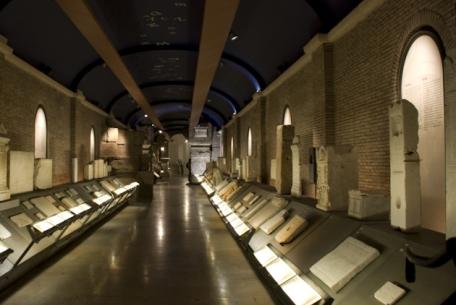
The Tabularium, an imposing late-Republican building on whose remains the Palazzo Senatorio
[...]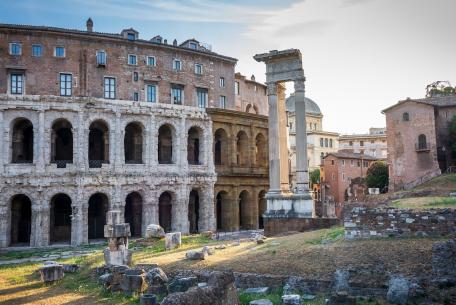
Das Gebäude wurde auf dem Campus Martius errichtet, an dem Ort, der traditionell für Bühnenaufführungen geweiht war und an dem seit 179 v. Chr.
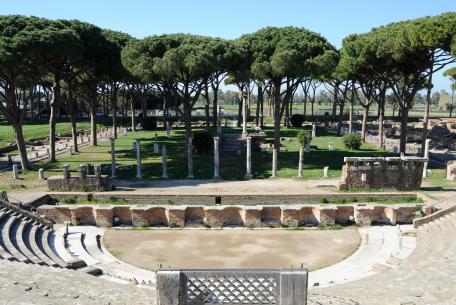
Das römische Theater von Ostia Antica befindet sich innerhalb des archäologischen Ausgrabungsgebiets und wurde unter Augustus Ende des 1. Jahrhunderts v. Chr. erbaut.
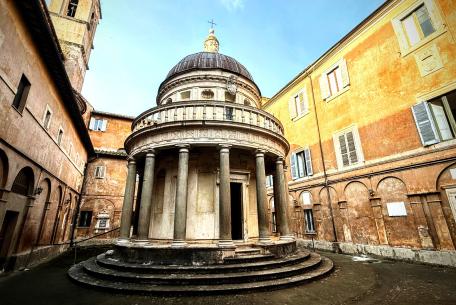
Auf dem Janiculum-Hügel, innerhalb des Komplexes von San Pietro in Montorio, befindet sich dieses kleine architektonische Juwel
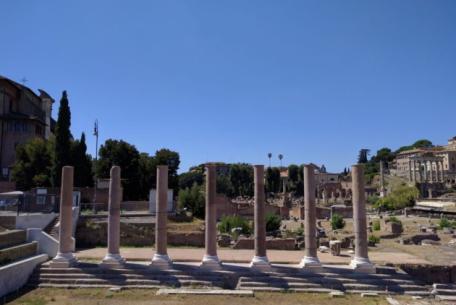
[...]
The Temple of Peace, called the Forum of Peace from the late imperial period, was built by Emperor Vespasian between 71 and 75 AD to commemorate t
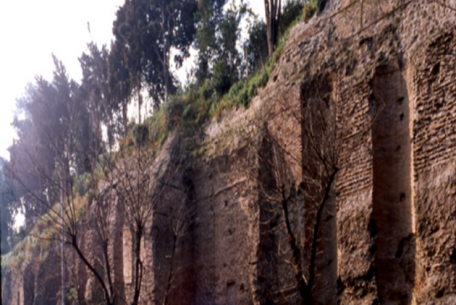
[...]
The templum divi Claudii, which stood on the western slope of the Caelian Hill
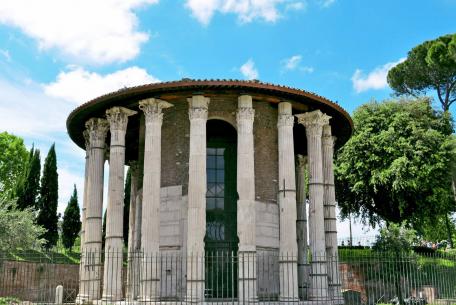
[...]

The Temple of Jupiter stood on the Capitoline Hill and was dedicated to the
[...]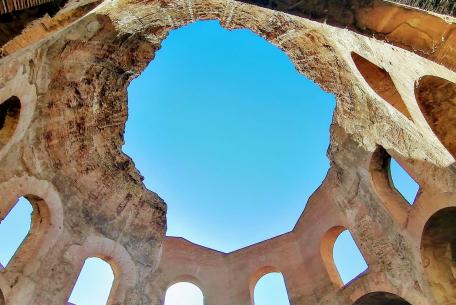
The so-called Temple of Minerva Medica is located in the Esquilino district, in Via Giolitti, next to the Rome-Pantano urban railway line.
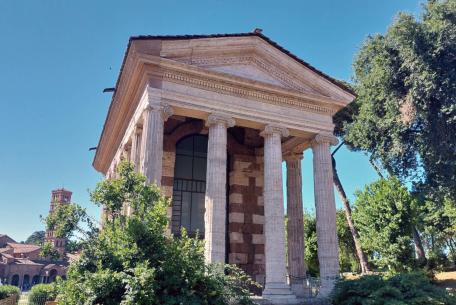
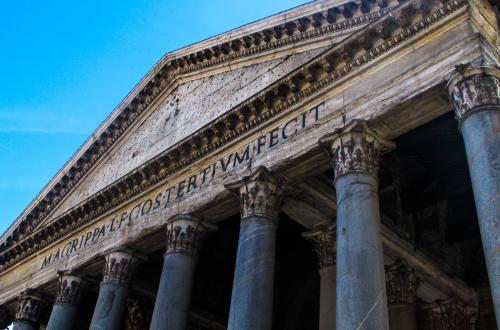
Dieser Tempel ist einer der besterhaltenen Gebäude des antiken Roms.
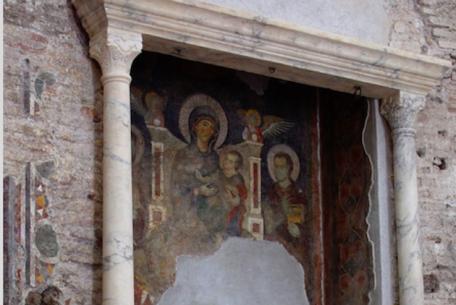
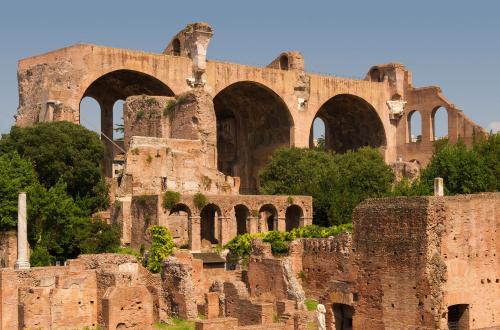
The so-called Temple of Romulus stands in the archaeological area of the Roman Forum,
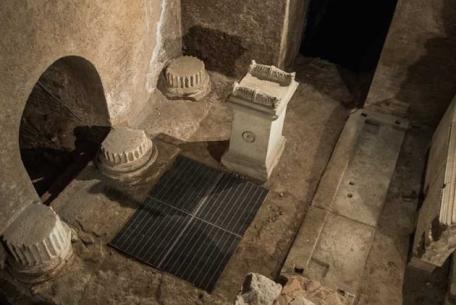
[...]
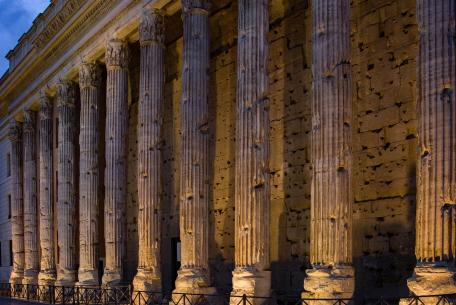
Der Bau des Gebäudes wurde wahrscheinlich von Kaiser Hadrian gewünscht, der es seiner im Jahr 136 verstorbenen und vergöttlichten Frau Vibia Sabina widmen wollte.
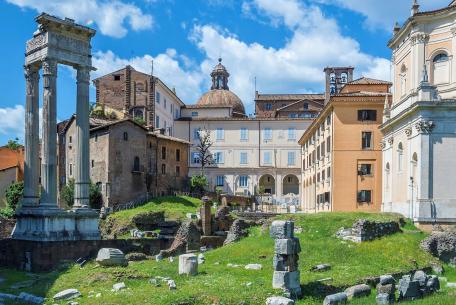
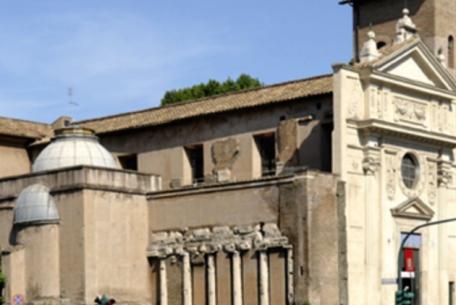
Zwischen dem Marcellus-Theater und dem Portikus der Octavia, im jüdischen Viertel, liegen die Überreste eine
[...]
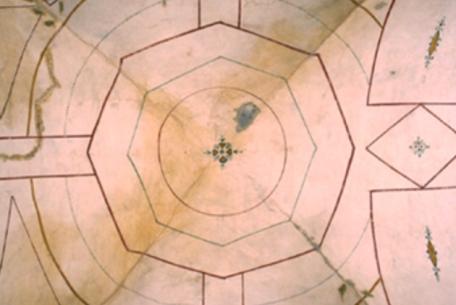
Die Überreste der drei Tempel befinden sich im Rione Sant’Angelo, in der Nähe der
[...]
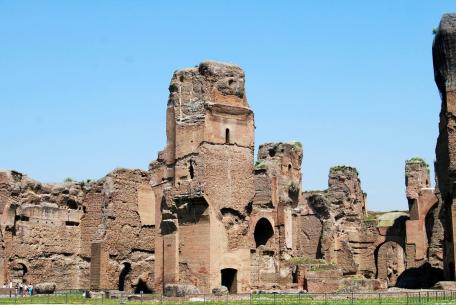
Built by the Emperor Decius (249-251 AD) in 249, the Decian Baths (in Latin Thermae Decianae) were a thermal complex built on the
[...]
Die Thermae Antonianae, eine der größten und am besten erhaltenen Thermenanlagen der Antike, wurden auf Veranlassung von Kaiser Caracalla zwischen 212 und 216 n.
[...]
Es handelt sich um die größten Thermen des antiken Roms, die zwischen den Jahren 298 und 306 n. Chr. erbaut wurden.
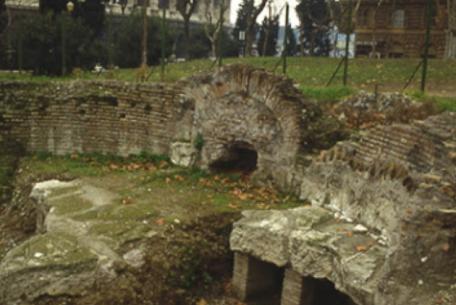
The baths built by Titus and dedicated in 80 AD are one of the oldest examples of Roman baths of “imperial” age and type.
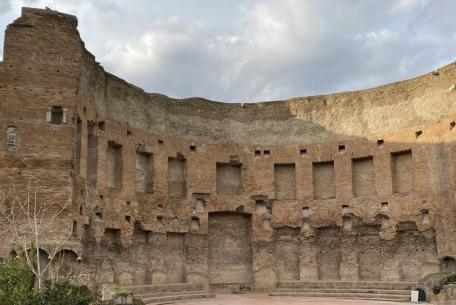
The Thermae Traiani or Thermae Traianae rise on the top of Colle Oppio, in the third Augustan region and were built, as we know from ancient literary sources, on
[...]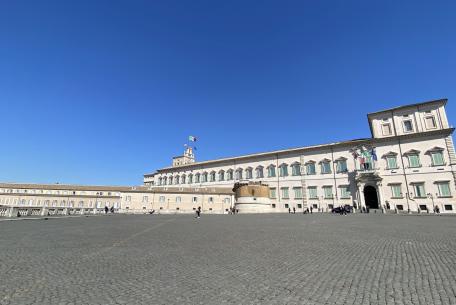
At the top of the steps that rise from Via della Dataria, the charming terrace of the Quirinale, one of the privileged points of view over the city, extends a few steps from the suggestive alleys t
[...]
Condividi
 Condividi
 Condividi
 Condividi
 Condividi
 Condividi
 Condividi