Amphitheatrum Flavium - Kolosseum
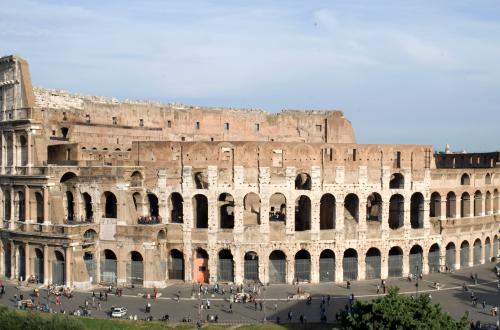
Amphitheatrum Flavium - Kolosseum
Monumente
 Condividi




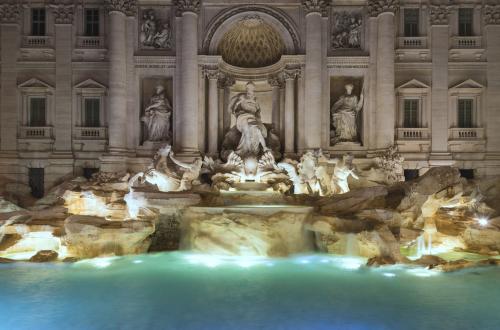
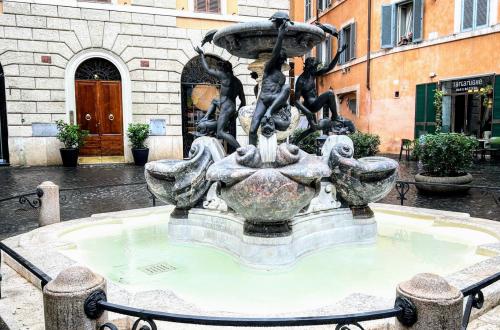
The most famous of the Roman fountains: a jewel of water and stone
Secondo la leggenda, la storia di Roma comincia proprio da qui

An unmissable opportunity to plan your own future in the field of Fashion
Rome is a perfect destination for tourism and in particular for school trips
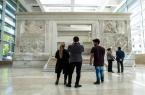
The inestimable artistic heritage of Rome is the preferred destination for the many students who decide to benefit from the many cultural opportunities that the city offers
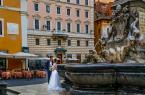
Rome is the perfect choice for a romantic and refined wedding, enriched by a millenary history

Tradition, sartorial mastery, and innovative technologies in a unique setting
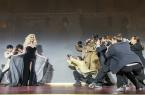
Glamour, myth and beauty: a city where even fashion is a legend
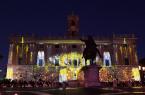
Beauty and art, magnificent spectators of a thousand-year history
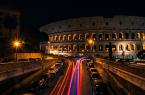
The endless opportunities for fun in Rome
Roma è la destinazione ideale per il turismo Business
How and where to see live sporting events

Come e dove allenare corpo e mente nella seconda capitale più verde d'Europa
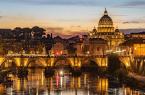
Geschichte, Wissenswertes und nützliche Informationen, um den Zauber der Ewigen Stadt in vollen Zügen zu genießen
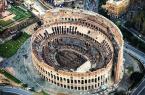
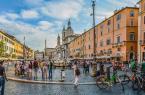
Seven unusual itineraries to discover the city from new perspectives
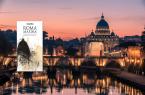
Stories, places, and secrets – a guidebook to an eternal city.

A puzzle of voices and experiences: bloggers explain Rome

A great wealth of knowledge and experience accumulated in the past
Reichtum, Prunk und Pracht, eingetaucht in die Magie der Geschichte
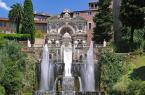
Entdecken Sie Tivoli und seine wunderschönen Villen


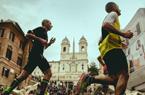
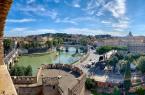
Un itinerario tra architetture millenarie e ardite visioni contemporanee
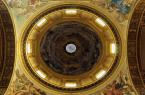
Rom, die ideale Kulisse für Meisterwerke des Kinos und große Melodien
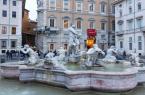
Eine Reise in die Museen der Piazza Navona und Umgebung

Eine Route für diejenigen, die nur wenig Zeit haben, um die Sehenswürdigkeiten Roms kennenzulernen

Rom erleben in drei intensive Tage
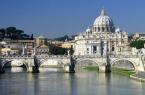
A perfect five day itinerary for an unforgettable Roman holiday
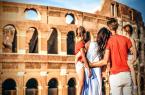
Indoor & outdoor activities and attractions
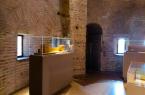
Discovering precious collections from prehistory to contemporary art

Simple and delicious traditional recipes

Typical sweets of the Roman Castles of very ancient origin

Die Meeresseele Roms
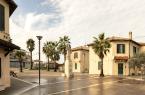
Aromen und alte Traditionen an einem Ort, an dem die Zeit still zu stehen scheint
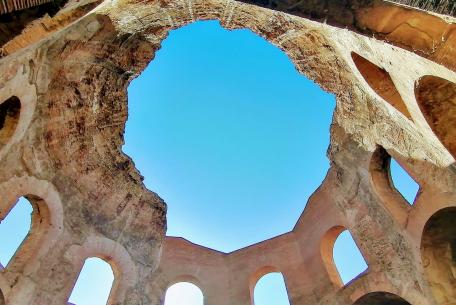
The so-called Temple of Minerva Medica is located in the Esquilino district, in Via Giolitti, next to the Rome-Pantano urban railway line.
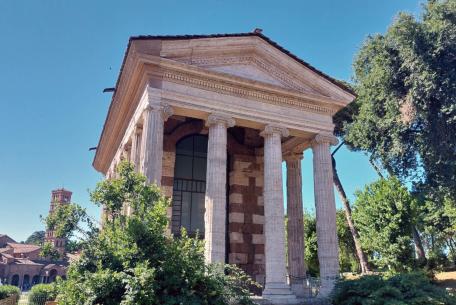
Dieser Tempel ist einer der besterhaltenen Gebäude des antiken Roms.
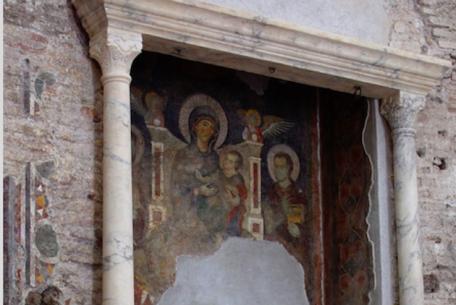
The so-called Temple of Romulus stands in the archaeological area of the Roman Forum,
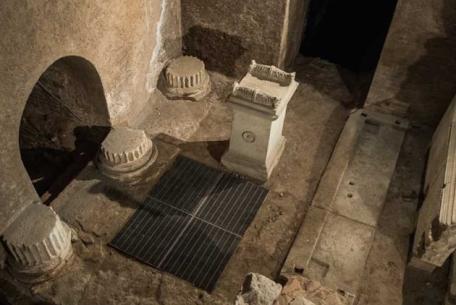
[...]
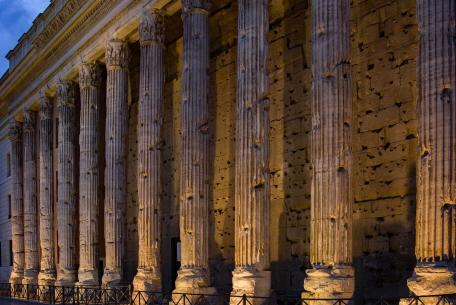
Der Bau des Gebäudes wurde wahrscheinlich von Kaiser Hadrian gewünscht, der es seiner im Jahr 136 verstorbenen und vergöttlichten Frau Vibia Sabina widmen wollte.
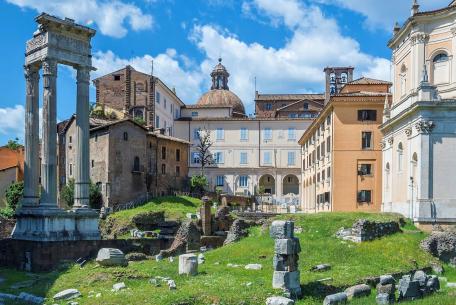
Zwischen dem Marcellus-Theater und dem Portikus der Octavia, im jüdischen Viertel, liegen die Überreste eine
[...]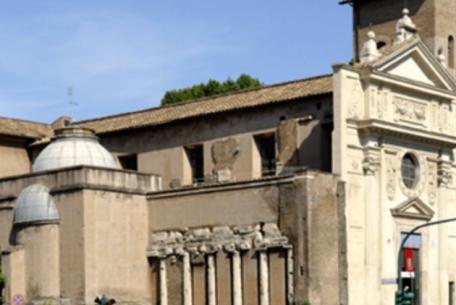
Die Überreste der drei Tempel befinden sich im Rione Sant’Angelo, in der Nähe der
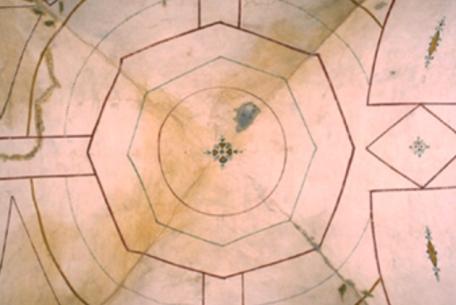
[...]
Built by the Emperor Decius (249-251 AD) in 249, the Decian Baths (in Latin Thermae Decianae) were a thermal complex built on the
[...]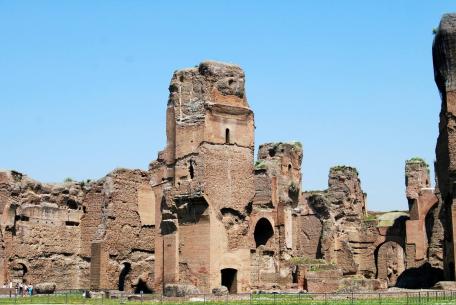
Die Thermae Antonianae, eine der größten und am besten erhaltenen Thermenanlagen der Antike, wurden auf Veranlassung von Kaiser Caracalla zwischen 212 und 216 n.
[...]
Es handelt sich um die größten Thermen des antiken Roms, die zwischen den Jahren 298 und 306 n. Chr. erbaut wurden.
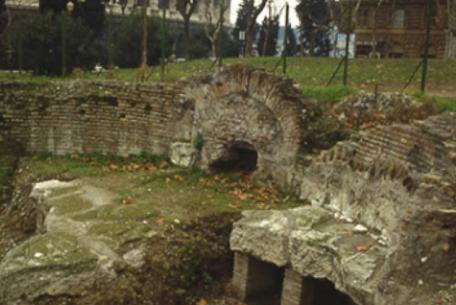
The baths built by Titus and dedicated in 80 AD are one of the oldest examples of Roman baths of “imperial” age and type.
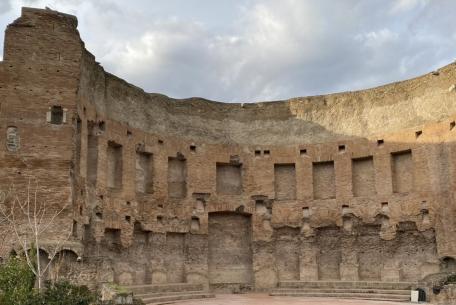
The Thermae Traiani or Thermae Traianae rise on the top of Colle Oppio, in the third Augustan region and were built, as we know from ancient literary sources, on
[...]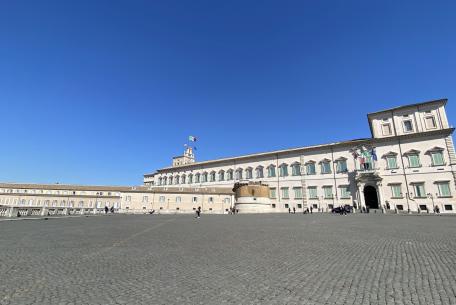
At the top of the steps that rise from Via della Dataria, the charming terrace of the Quirinale, one of the privileged points of view over the city, extends a few steps from the suggestive alleys t
[...]
From Castel Sant’Angelo, you can enjoy a spectacular view of the entire city: enter the cast
[...]

The monument is located on the left of the via Nomentana, km 9,200, at Aguzzano. It owes it name to the Cecchini family, owner in the 16th century of the land where the building is located.

The tomb was discovered in 1971 in the Zoological Garden during the construction of the 'monkey village'.

The Tombs of Fadilla and of the Nasonii rise along the Via Flaminia, between Corso Francia and Saxa Rubra.


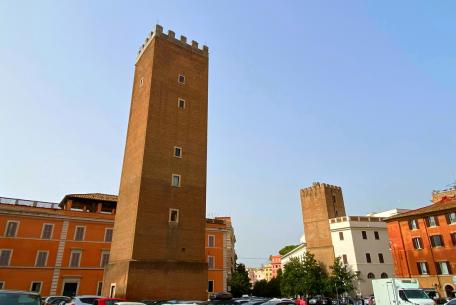
The building, which stands right in the middle of the square, was built by the Arcioni family, and later passed to the Capocci, a noble family from Viterbo.
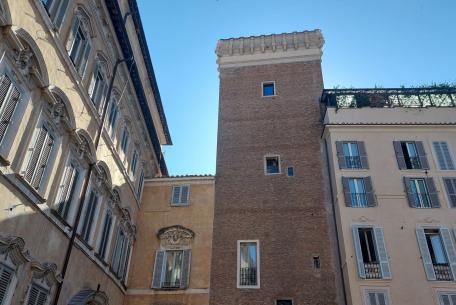
Inmitten der steilen Auf- und Abstiege des Rione Monti befindet sich ein malerisches Wohnhaus aus dem 17.
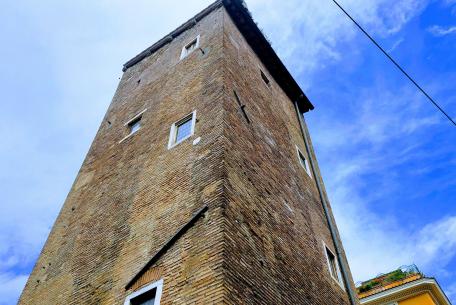
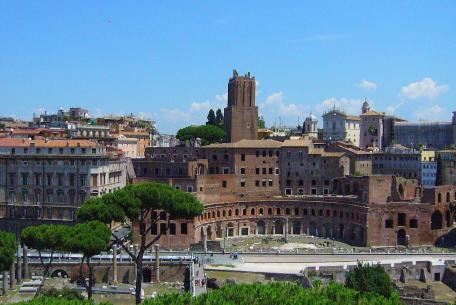
Er ist einer der wenigen Überlebenden der über 300 Türme, die die Skyline des mittelalterlichen Rom prägten, auch wenn er damals in das Stadtbild eingebettet war u
[...]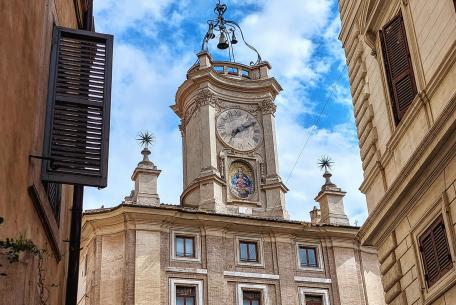
Auch wenn der Uhrturm nicht zu den bekanntesten Sehenswürdigkeiten Roms zählt, ist er doch das, was man als „Landmark“ bezeichnet, also ein visueller und landschaftlicher Orientierungspunkt der Sta
[...]
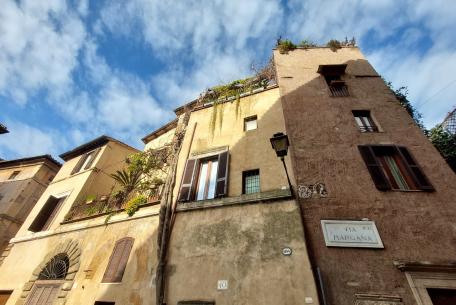
Auch Rom hat seinen schiefen Turm, man muss ihn nur aus der Ferne betrachten, um seine Neigung zu bemerken: der Turm befindet sich am westlichen Ende des Quirinale-Hügels
[...]
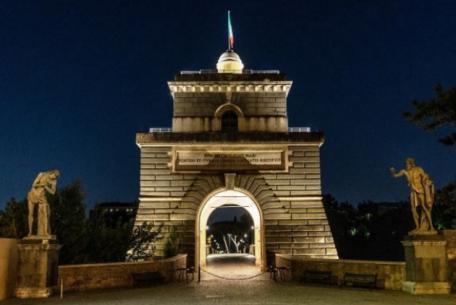
In the charming and quiet little square where the Margana Tower stands, a stone’s throw from the Capit
[...]
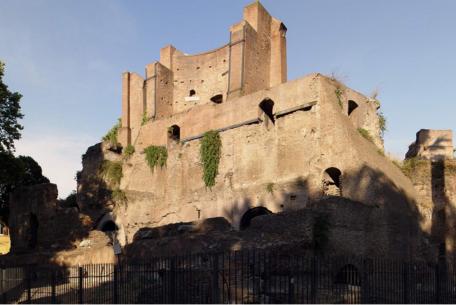
Nel 1805, Papa Pio VII commissionò nuovi lavori di restauro al grande architetto Giuseppe Valadier che ne progettò il riassetto, sostituendo i ponti levatoi ed edi
[...]
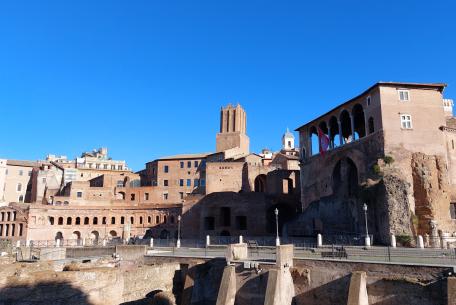
A privileged view of the Imperial Forum excavations and Trajan's Markets
Condividi
 Condividi
 Condividi
 Condividi
 Condividi
 Condividi
 Condividi