Amphitheatrum Flavium - Kolosseum
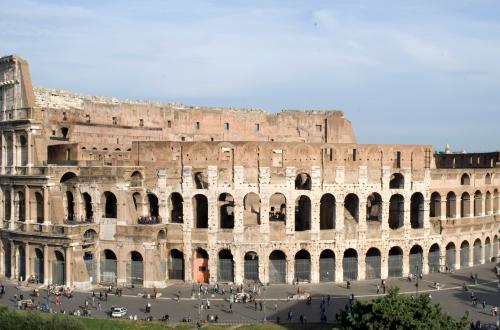
Amphitheatrum Flavium - Kolosseum
Monumente
 Condividi




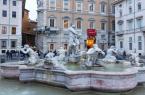
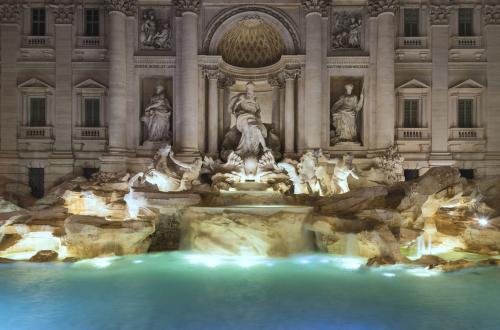
The most famous of the Roman fountains: a jewel of water and stone
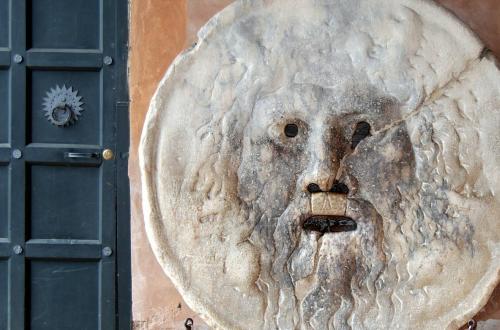
Secondo la leggenda, la storia di Roma comincia proprio da qui

An unmissable opportunity to plan your own future in the field of Fashion
Rome is a perfect destination for tourism and in particular for school trips
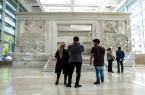
The inestimable artistic heritage of Rome is the preferred destination for the many students who decide to benefit from the many cultural opportunities that the city offers
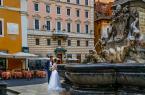
Rome is the perfect choice for a romantic and refined wedding, enriched by a millenary history

Tradition, sartorial mastery, and innovative technologies in a unique setting
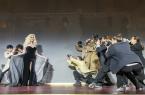
Glamour, myth and beauty: a city where even fashion is a legend
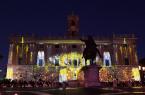
Beauty and art, magnificent spectators of a thousand-year history
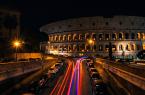
The endless opportunities for fun in Rome
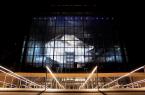
Roma è la destinazione ideale per il turismo Business
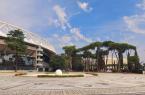
How and where to see live sporting events

Come e dove allenare corpo e mente nella seconda capitale più verde d'Europa
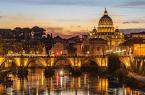
Storia, curiosità e info utili per vivere appieno la magia della Città Eterna
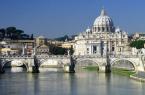
Seven unusual itineraries to discover the city from new perspectives
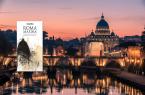
Stories, places, and secrets – a guidebook to an eternal city.

A puzzle of voices and experiences: bloggers explain Rome

A great wealth of knowledge and experience accumulated in the past
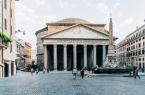
Reichtum, Prunk und Pracht, eingetaucht in die Magie der Geschichte
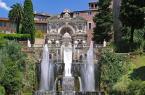
Entdecken Sie Tivoli und seine wunderschönen Villen

Un itinerario tra architetture millenarie e ardite visioni contemporanee
Rom, die ideale Kulisse für Meisterwerke des Kinos und große Melodien
Eine Reise in die Museen der Piazza Navona und Umgebung

Eine Route für diejenigen, die nur wenig Zeit haben, um die Sehenswürdigkeiten Roms kennenzulernen

Rom erleben in drei intensive Tage
A perfect five day itinerary for an unforgettable Roman holiday
Indoor & outdoor activities and attractions
Discovering precious collections from prehistory to contemporary art

Simple and delicious traditional recipes

Typical sweets of the Roman Castles of very ancient origin
Die Meeresseele Roms
Aromen und alte Traditionen an einem Ort, an dem die Zeit still zu stehen scheint
Underground cemetery, located inside the 17th-century Villa Casali, on the left side of the Via Appia Antica.
L'Istituto Romano di San Michele è la più grande Azienda Pubblica di Servizi alla Persona (ASP) di Roma, per rilevanza patrimoniale e attività di assistenza svolta.
During excavations carried out between 1973 and 1975, an edifice dedicated to the Persian deity Mithras was found under the Church of Santo Stefano Rotondo.
Discovered in 2003 during the excavations for the construction of Santa Rosa parking lot, inside the Vatican City, the Via Trimphalis necropolis is the continuation of the “Autoparco”, dug up in th
[...]It dates back to the third century AD.
The sundial of emperor Augustus consisted of a large travertine-paved trapezoid-shaped square on whose surface hours, seasons, months, and signs of the zodiac were indicated with bronze gilded lett
[...]The small building, linked to the big building of the family by a medieval arch, dates back to the middle of the 16th century and was built by architect Martino Longhi the old.
Historic palace.
On the ground floor there is an exceptionally well-preserved section of the Servian wall, consisting of a beautiful arch in tuff ashlar, belonging to a ballistic chamber, perhaps for catapults from
[...]The palace was built in 1592 by Francesco da Volterra.
The palace was the property of the family of Beatrice Cenci, who was accused together with her brothers and stepmother of witchcraft and the murder of their father.
The palace was built by the Gaddi, a wealthy family of Florentine merchants, at the beginning of the 16th century and shortly afterwards purchased by the Cesi, a noble family of Umbrian origin.
Palazzo Incontro is a historic building in Rome, located in the Campo Marzio district, built in the second half of the 18th century, exactly in 1765 by the architect Giovanni Paolo Burij.
The palace was built in 1660 by the architect Giovanni Antonio De Rossi, based on a design by Bernini, and commissioned by the Marquis Francesco Nuñez Sanchez.
Located in the area of the High Speed Station named after Camillo Benso Conte di Cavour, in the Tiburtina area, the building houses the new BNL Gruppo BNP Paribas headquarters.
The original structure of the Palace dates back to a modest house that Gaspero dei Garzoni di Jesi purchased in 1512 from Alfonsina Orsini and which was modified in a series of works carried out at
[...]The construction of the palace dates back to the 16th century; it first belonged to the Gottifredi family - this ownership is still indicated in Nolli's 1748 plan - then, at the end of the 18th cen
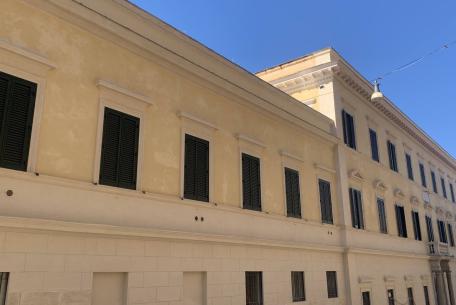
[...]The building has eighteenth-century shapes enlivened by the double portal with columned balcony and the tympanums of the windows on the main floor.
This is the most imposing palace in Via Giulia, designed and built by Antonio da Sangallo the Younger (1483-1546), whose residence it was, as indicated by the inscription on the left of the balcony
[...]
Luogo culturale in divenire, Palazzo San Felice, attualmente in cantiere, sarà futura sede della Biblioteca di Archeologia e Storia dell’Arte.
The palace was built in1458 as the seat of the Apostolic Chancellery by Cardinal Rodrigo Borgia who, after becoming Pope Alexander VI (1492-1503), donated it to Cardinal Ascanio Sforza.
Palazzo Verospi Vitelleschi, adjacent to the Bonaparte palace and separated from the Doria Pamphilj palace by Vicolo Doria, is an 1887 reconstruction by the architect Luigi Tedeschi of a palace bui
[...]Piazza di Porta Maggiore is overlooked by one of the most gorgeous monuments of the Roman empire.
A cycle-pedestrian structure on the Tiber river, located between Ponte dell'Industria and Ponte Marconi.
The bridge links the districts Regola and Trastevere and is named after Garibaldi. It was built in 1888 in memory of the history of Garibaldi’s wars and victories in the two worlds.
Condividi
 Condividi
 Condividi
 Condividi
 Condividi
 Condividi
 Condividi