Amphitheatrum Flavium - Kolosseum
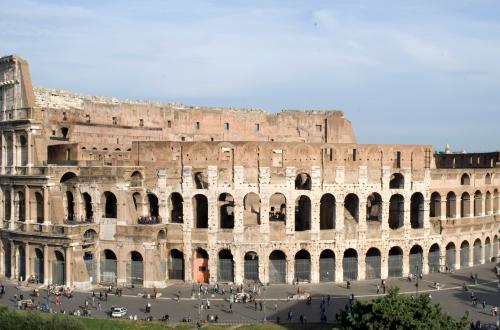
Amphitheatrum Flavium - Kolosseum
Monumente
 Condividi




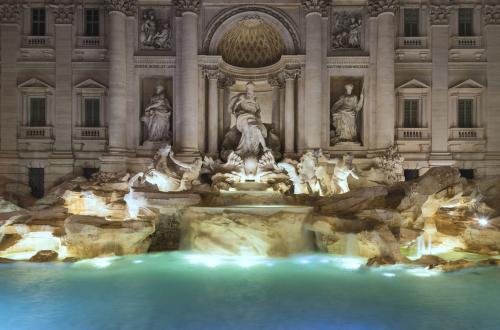
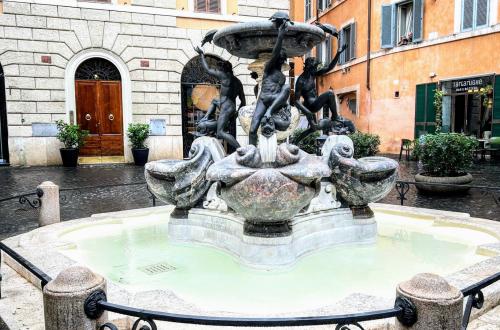
The most famous of the Roman fountains: a jewel of water and stone
Secondo la leggenda, la storia di Roma comincia proprio da qui

An unmissable opportunity to plan your own future in the field of Fashion
Rome is a perfect destination for tourism and in particular for school trips
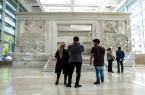
The inestimable artistic heritage of Rome is the preferred destination for the many students who decide to benefit from the many cultural opportunities that the city offers
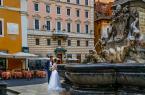
Rome is the perfect choice for a romantic and refined wedding, enriched by a millenary history

Tradition, sartorial mastery, and innovative technologies in a unique setting
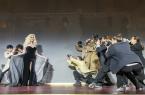
Glamour, myth and beauty: a city where even fashion is a legend
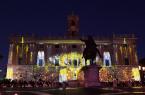
Beauty and art, magnificent spectators of a thousand-year history
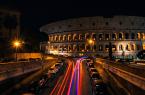
The endless opportunities for fun in Rome
Roma è la destinazione ideale per il turismo Business
How and where to see live sporting events

Come e dove allenare corpo e mente nella seconda capitale più verde d'Europa
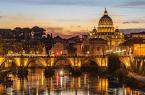
Storia, curiosità e info utili per vivere appieno la magia della Città Eterna
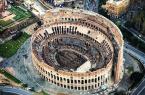

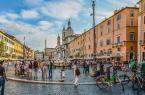
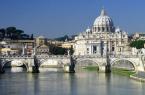

Seven unusual itineraries to discover the city from new perspectives

Stories, places, and secrets – a guidebook to an eternal city.

A puzzle of voices and experiences: bloggers explain Rome

A great wealth of knowledge and experience accumulated in the past
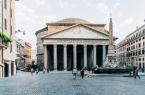
Reichtum, Prunk und Pracht, eingetaucht in die Magie der Geschichte
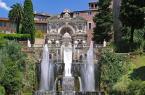
Entdecken Sie Tivoli und seine wunderschönen Villen




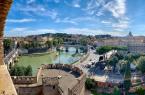
Un itinerario tra architetture millenarie e ardite visioni contemporanee
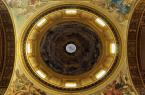
Rom, die ideale Kulisse für Meisterwerke des Kinos und große Melodien
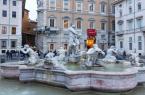
Eine Reise in die Museen der Piazza Navona und Umgebung

Eine Route für diejenigen, die nur wenig Zeit haben, um die Sehenswürdigkeiten Roms kennenzulernen

Rom erleben in drei intensive Tage
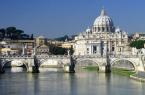
A perfect five day itinerary for an unforgettable Roman holiday
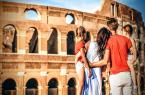
Indoor & outdoor activities and attractions
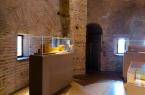
Discovering precious collections from prehistory to contemporary art

Simple and delicious traditional recipes

Typical sweets of the Roman Castles of very ancient origin

Die Meeresseele Roms
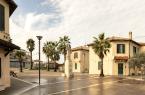
Aromen und alte Traditionen an einem Ort, an dem die Zeit still zu stehen scheint
The origins of the excavation of the catacombs date back to 1918 with the development of the area.
Enormi gallerie per l'estrazione di tufo che si aprono inaspettatamente sotto un tempio romano, dei laghetti cristallini e una serie di pozzi: un'incredibile esperienza nel cuore d
[...]Uno dei luoghi più affascinanti del Municipio XII di Roma. Viene utilizzato per eventi culturali aperti alla cittadinanza.
When, in the 13th century, the friars of the Order of Preachers, commonly called Dominican friars, settled in the Basilica of Santa Maria sopra Minerva, they not only enlarged the church, but also
[...]In the heart of the Monte Mario Nature Reserve, accessible from Via della Camilluccia, lies the French Military Cemetery, destined to contain the bodies of French soldiers killed during the Italian
[...]The City Garden Aniene, today forming part of the Montesacro district, is located in the north-east of Rome, on a hill along the Via Nomentana, near the confluence of the River Aniene and the Tiber
[...]Work began on the building in 1914 to make it the seat of the Court of Auditors.
Leaning on one side of the right fornix of Porta Flaminia, the fountain was built in 1886, as commemorated in the Municipal coat of arms that surmounts it.
Situated in the surroundings of Porta San Sebastiano, the fountain was built reusing ancient materials.
This fountain was inaugurated on 21 April 1925. It consists of a huge central cup made of Pentelicus marble, obtained by reassembling ancient marbles.
The fountain leans against the wall below the church of San Pietro in Montorio, to the restoration of which refers the memorial tablet with coat of arms of Urban the Eighth Barberini (1623-1644) th
[...]In 1861 pope Pious the Ninth (1846-1878) built a fountain called “dei delfini” (of the dauphins) in the square dedicated to him to replace the more ancient one commissioned by Paul the Fifth Borghe
[...]This fountain with Anfora (Amphora) was built in 1931 by the architect Raffaele De Vico and is located inside the September 8 Resistance Park, originally named Cestio Park in reference to the nearb
[...]The Roman pool, dated to the 2nd-3rd century AD, is made of red granite and has an elliptical plan, with a flared body and ample height.
The fountain was placed in front of the church.
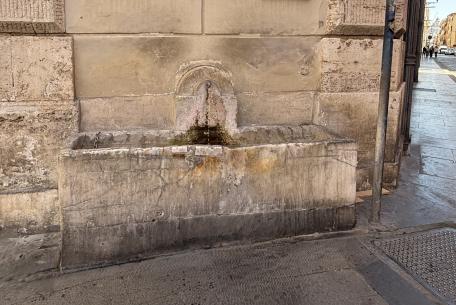
This fountain is a trough leaning against the corner of a palace, consisting of a block of a denticulated frame of the Romanage, dug out in the shape of a pond. Most of the dentils are worn out.
[...]Monumento che Roma Capitale e Ministero della Difesa dedicano a tutti i caduti nelle missioni di pace, inaugurato sul Belvedere Caffarelli nel settimo anniversario della strage di Nassiriya e in oc
[...]These small fountains are made of travertine and consist of a small shell-shaped pond resting on a rock, on which a branch of a figtree is sculpted.
Second in order of time and inaugurated in 2 BC, the Foro di Augusto was limited on its end side by a huge 33 metre wall made from peperino blocks and gabina stone, dividing it from the popular Sub
[...]Il Forte Antenne è uno dei 15 forti di Roma, edificati nel periodo compreso fra gli anni 1877 e 1891.
Uno dei 15 forti del campo trincerato costruiti tra il 1877 e il 1891 per difendere la nuova Capitale d’Italia. Il complesso è stato restaurato e riqualificato dalla Guardia di Finanza.
Forte Braschi is one of 15 forts in Rome, built between 1877 and 1891 to form the 'Campo trincerato di Roma' (Rome's entrenched camp). It is located in the district Q.
Forte Portuense was built along the street of the same name, to control and defend the area to the south on the right of the Tiber.
The military complex was built between 1882 and 1888 to defend the Via Trionfale and the Valle dell'Inferno.
Aprono per la prima volta al pubblico gli Horrea Piperataria, i magazzini delle spezie egizie e arabe costruiti dall’imperatore Domiziano sulle pendici sud ovest della Vel
[...]The hypogeum was discovered in 1955 during building construction work. It was meant for only a few households and was built in four distinct phases between approximately 320 and 360 AD.
Condividi
 Condividi
 Condividi
 Condividi
 Condividi
 Condividi
 Condividi