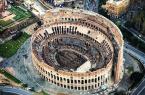
Anfiteatro Flavio (El Coliseo)
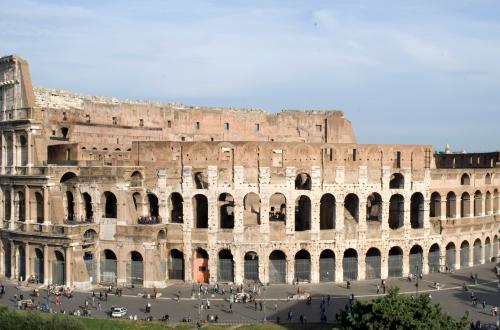
Anfiteatro Flavio (El Coliseo)
Monumentos
 Condividi




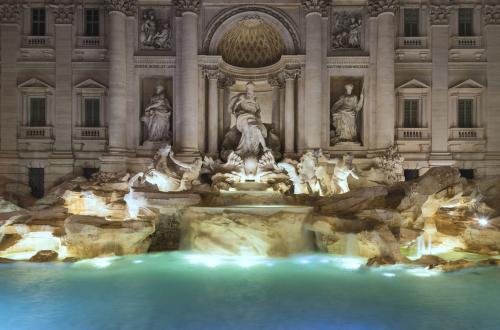
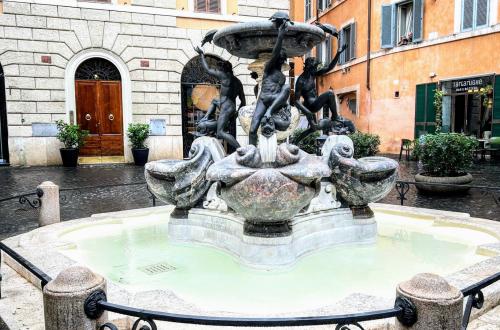
La más famosa de las fuentes romanas: una joya de agua y piedra
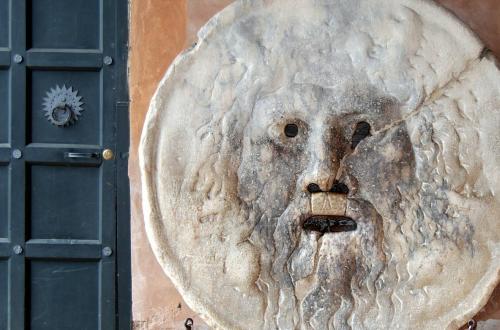
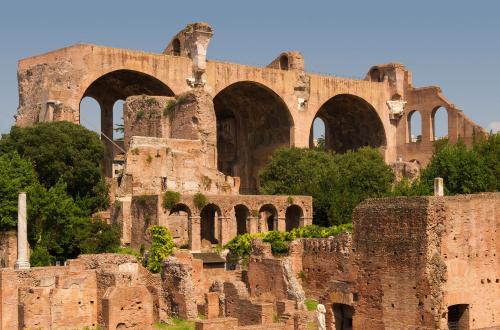
Según la leyenda, la historia de Roma comienza aquí

An unmissable opportunity to plan your own future in the field of Fashion
Rome is a perfect destination for tourism and in particular for school trips
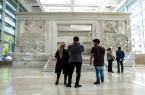
The inestimable artistic heritage of Rome is the preferred destination for the many students who decide to benefit from the many cultural opportunities that the city offers
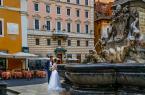
Rome is the perfect choice for a romantic and refined wedding, enriched by a millenary history

Tradition, sartorial mastery, and innovative technologies in a unique setting
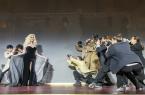
Glamour, myth and beauty: a city where even fashion is a legend
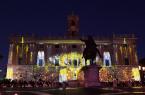
Beauty and art, magnificent spectators of a thousand-year history
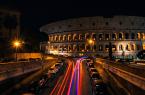
The endless opportunities for fun in Rome
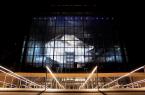
Roma è la destinazione ideale per il turismo Business
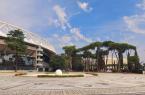
How and where to see live sporting events

Come e dove allenare corpo e mente nella seconda capitale più verde d'Europa
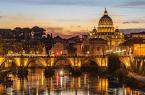
Historia, curiosidades e información útil para disfrutar al máximo de la magia de la Ciudad Eterna
Seven unusual itineraries to discover the city from new perspectives
Stories, places, and secrets – a guidebook to an eternal city.

A puzzle of voices and experiences: bloggers explain Rome

Una gran riqueza de conocimientos y experiencia acumulada en el pasado
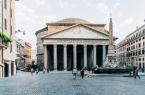
Riqueza, esplendor y magnificencia inmersos en la magia de la historia
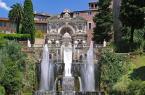
Descubre Tivoli y sus maravillosas villas

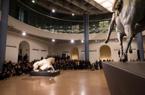
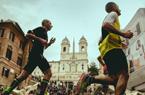
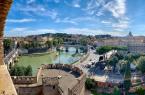
An itinerary between millenary architectures and daring contemporary visions
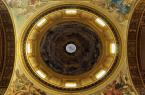
Roma, la escenografía ideal de obras maestras del cine y de grandes melodías
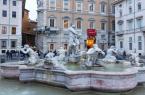
Un viaje dentro de los museos de Piazza Navona y sus alrededores

Un itinerario para conocer las atracciones imperdibles de Roma en poco tiempo

Tres días intensos para disfrutar las attracciones imperdibles de Roma
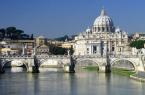
A perfect five day itinerary for an unforgettable Roman holiday
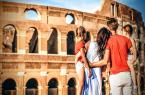
Indoor & outdoor activities and attractions
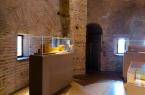
Descubre valiosas colecciones desde la prehistoria hasta el arte contemporáneo

Simple and delicious traditional recipes

Un postre típico de los Castelli Romani de origen antiguo

El alma marinera de Roma
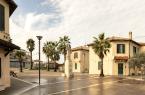
Sabores y tradiciones milenarias en un lugar donde el tiempo parece haberse detenido
Il Forte Antenne è uno dei 15 forti di Roma, edificati nel periodo compreso fra gli anni 1877 e 1891.
Uno dei 15 forti del campo trincerato costruiti tra il 1877 e il 1891 per difendere la nuova Capitale d’Italia. Il complesso è stato restaurato e riqualificato dalla Guardia di Finanza.
Forte Braschi is one of 15 forts in Rome, built between 1877 and 1891 to form the 'Campo trincerato di Roma' (Rome's entrenched camp). It is located in the district Q.
Forte Portuense was built along the street of the same name, to control and defend the area to the south on the right of the Tiber.
The military complex was built between 1882 and 1888 to defend the Via Trionfale and the Valle dell'Inferno.
Aprono per la prima volta al pubblico gli Horrea Piperataria, i magazzini delle spezie egizie e arabe costruiti dall’imperatore Domiziano sulle pendici sud ovest della Vel
[...]The hypogeum was discovered in 1955 during building construction work. It was meant for only a few households and was built in four distinct phases between approximately 320 and 360 AD.
Underground cemetery, located inside the 17th-century Villa Casali, on the left side of the Via Appia Antica.
L'Istituto Romano di San Michele è la più grande Azienda Pubblica di Servizi alla Persona (ASP) di Roma, per rilevanza patrimoniale e attività di assistenza svolta.
Aristocratically isolated, vast and regular, Piazza Farnese is in a quiet spot decorated with two big twin fountains of Egyptian granite coming from the baths of Caracalla.
During excavations carried out between 1973 and 1975, an edifice dedicated to the Persian deity Mithras was found under the Church of Santo Stefano Rotondo.
Discovered in 2003 during the excavations for the construction of Santa Rosa parking lot, inside the Vatican City, the Via Trimphalis necropolis is the continuation of the “Autoparco”, dug up in th
[...]It dates back to the third century AD.
The sundial of emperor Augustus consisted of a large travertine-paved trapezoid-shaped square on whose surface hours, seasons, months, and signs of the zodiac were indicated with bronze gilded lett
[...]The small building, linked to the big building of the family by a medieval arch, dates back to the middle of the 16th century and was built by architect Martino Longhi the old.
Historic palace.
On the ground floor there is an exceptionally well-preserved section of the Servian wall, consisting of a beautiful arch in tuff ashlar, belonging to a ballistic chamber, perhaps for catapults from
[...]The palace was built in 1592 by Francesco da Volterra.
The palace was the property of the family of Beatrice Cenci, who was accused together with her brothers and stepmother of witchcraft and the murder of their father.
The palace was built by the Gaddi, a wealthy family of Florentine merchants, at the beginning of the 16th century and shortly afterwards purchased by the Cesi, a noble family of Umbrian origin.
Palazzo Incontro is a historic building in Rome, located in the Campo Marzio district, built in the second half of the 18th century, exactly in 1765 by the architect Giovanni Paolo Burij.
The palace was built in 1660 by the architect Giovanni Antonio De Rossi, based on a design by Bernini, and commissioned by the Marquis Francesco Nuñez Sanchez.
Located in the area of the High Speed Station named after Camillo Benso Conte di Cavour, in the Tiburtina area, the building houses the new BNL Gruppo BNP Paribas headquarters.
The original structure of the Palace dates back to a modest house that Gaspero dei Garzoni di Jesi purchased in 1512 from Alfonsina Orsini and which was modified in a series of works carried out at
[...]The construction of the palace dates back to the 16th century; it first belonged to the Gottifredi family - this ownership is still indicated in Nolli's 1748 plan - then, at the end of the 18th cen
[...]
Condividi
 Condividi
 Condividi
 Condividi
 Condividi
 Condividi
 Condividi