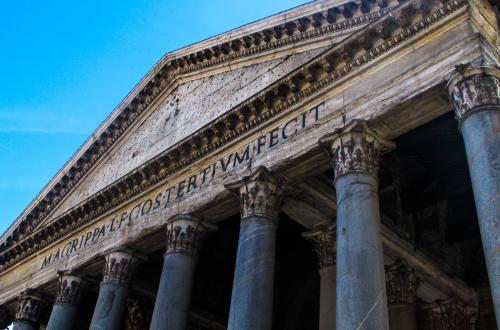
L’Amphithéâtre Flavio (Colisée)
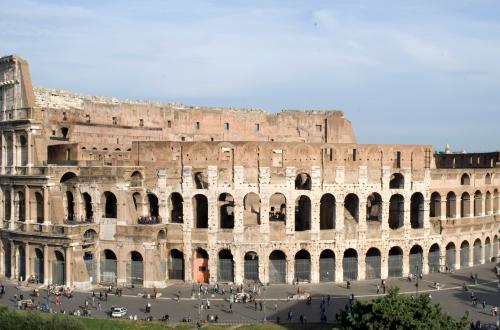
L’Amphithéâtre Flavio (Colisée)
Monuments
 Condividi




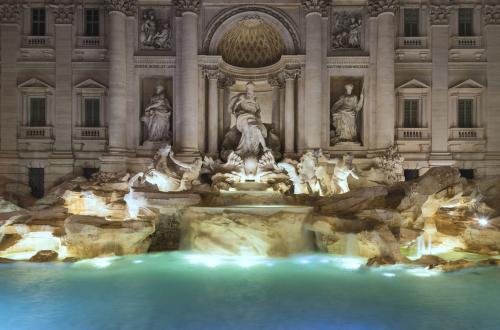
La plus célèbre des fontaines romaines: un joyau d'eau et de pierre
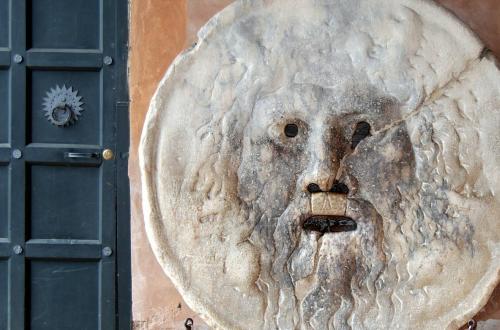
Selon la légende, l'histoire de Rome commence ici

An unmissable opportunity to plan your own future in the field of Fashion
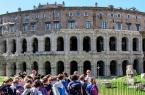
Roma è una meta perfetta per il turismo e in particolare per il settore di visite e viaggi scolastici
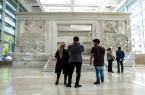
The inestimable artistic heritage of Rome is the preferred destination for the many students who decide to benefit from the many cultural opportunities that the city offers
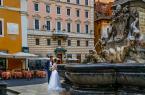
Rome is the perfect choice for a romantic and refined wedding, enriched by a millenary history

Tradition, sartorial mastery, and innovative technologies in a unique setting
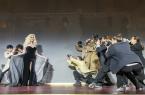
Glamour, myth and beauty: a city where even fashion is a legend
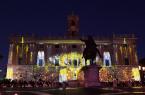
Beauty and art, magnificent spectators of a thousand-year history
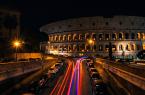
The endless opportunities for fun in Rome
Rome is the ideal destination for Tourism Business
Come e dove vivere in diretta le emozioni degli eventi sportivi

Come e dove allenare corpo e mente nella seconda capitale più verde d'Europa
Storia, curiosità e info utili per vivere appieno la magia della Città Eterna
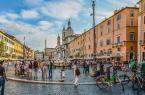
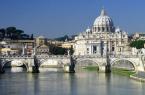

Seven unusual itineraries to discover the city from new perspectives

Stories, places, and secrets – a guidebook to an eternal city.

A puzzle of voices and experiences: bloggers explain Rome

Une grande richesse de connaissances et d'expériences accumulées dans le passé
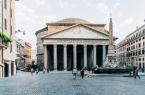
Richesse, splendeur et magnificence immergées dans la magie de l’histoire
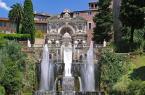
Découvrez la charmante Tivoli et ses merveilleuses villas



Un itinerario tra architetture millenarie e ardite visioni contemporanee
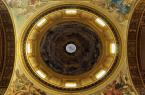
Rome, la scénographie idéale de chefs-d’œuvre du cinéma et de grandes mélodies
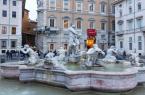
Un voyage dans les musées de la Piazza Navona et ses environs

Un itinéraire pour ceux qui veulent, en peu de temps, connaître les incontournables attractions de Rome

Trois jours intenses pour découvrir les attractions incontournables de Rome
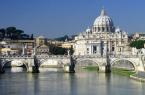
A perfect five day itinerary for an unforgettable Roman holiday
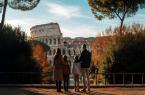
Indoor & outdoor activities and attractions
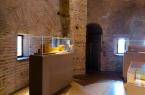
À la découverte de précieuses collections de la préhistoire à l’art contemporain

Les recettes simples et savoureuses de la tradition

Un dessert typique des Chateaux Romains d'origine très ancienne

L'âme marine de Rome
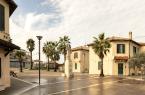
Saveurs et traditions anciennes dans un lieu où le temps semble s’être arrêté
The fountain leans against the wall below the church of San Pietro in Montorio, to the restoration of which refers the memorial tablet with coat of arms of Urban the Eighth Barberini (1623-1644) th
[...]In 1861 pope Pious the Ninth (1846-1878) built a fountain called “dei delfini” (of the dauphins) in the square dedicated to him to replace the more ancient one commissioned by Paul the Fifth Borghe
[...]The fountain consists of a granite pond with two side masks that rests on a support placed in the middle of a larger oval marble pond.
The fountain of the Timone (Helm) leans against the huge building of San Michele a Ripa.
The fountain was originally placed beside to the church of Santa Maria delle Grazie that was demolished when Piazza Risorgimento was opened.
This fountain with Anfora (Amphora) was built in 1931 by the architect Raffaele De Vico and is located inside the September 8 Resistance Park, originally named Cestio Park in reference to the nearb
[...]The fountain dell’Orso (of the Bear) was commissioned by the Municipality of Rome at the beginning of the twentieth century.
The Roman pool, dated to the 2nd-3rd century AD, is made of red granite and has an elliptical plan, with a flared body and ample height.
The wall-fountain fed by Acqua Vergine in Piazza della Cancelleria is a work by Publio Morbiducci winner in 1928 of a competition announced by the Municipality for the replacement of ten small cast
[...]The two inscriptions with the pope’s coat ofarms that dominate the fountain commemorate the building of the fountain in 1565 under Pious the Fourth Medici (1559-1565) and its restoration in 1713 un
[...]This fountain is a trough leaning against the corner of a palace, consisting of a block of a denticulated frame of the Romanage, dug out in the shape of a pond. Most of the dentils are worn out.
[...]The fountain leans against the left wall of the Underground (Metropolitana) Station in the middle of three large arches on the wall supporting the Velia Hill.
Surmounted by an eighteenth century aedicule, this small fountain that leans against Palazzo Torlonia reuses a Roman sarcophagus with wavy flutes.
The fountain is placed outside the rear facade of Palazzo Altieri and consists of a sarcophagus of the Roman age.
These twin fountains are similar to the works by Pietro Lombardi. They consist of three small ponds flanked by a pair of small pillars.
The fountain of the Leone (Lion) was originally situated in Via di Panico (street number 62) and was moved 60 years ago against the facade of the convent annexed to the church of San Salvatore in L
[...]The fountain leans against the wall of a building and rests on two semicircular steps paved with small porphyry blocks (sampietrini) and is decorated with a rectangular granite frame that encloses
[...]The fountain was designed by Marcelliano Mariano Ginesi and built in 1930. It consists of two pilasters resting on a base that frame the central composition.
These small fountains are made of travertine and consist of a small shell-shaped pond resting on a rock, on which a branch of a figtree is sculpted.
This ancient trough was built by Carlo Bizzaccheri in 1717 under pope Clemente the Eleventh Albani (1700-1721).
The Veschi brickworks is located right in front of the Valle Aurelia metro station and is one of the 18 brick factories that, since ancient times, using the clay extracted from the quarries of the
[...]The Forum Olitorium was the zone reserved to the vegetable and legume market.
Il Forte Antenne è uno dei 15 forti di Roma, edificati nel periodo compreso fra gli anni 1877 e 1891.
Forte Braschi is one of 15 forts in Rome, built between 1877 and 1891 to form the 'Campo trincerato di Roma' (Rome's entrenched camp). It is located in the district Q.
Forte Portuense was built along the street of the same name, to control and defend the area to the south on the right of the Tiber.
The military complex was built between 1882 and 1888 to defend the Via Trionfale and the Valle dell'Inferno.
In the 17th century the area was the garden of the Casino Belvedere of the powerful noblewoman Olimpia Maildailchini-Pamphilij, sister-in-law of Pope Innocent X.
Aprono per la prima volta al pubblico gli Horrea Piperataria, i magazzini delle spezie egizie e arabe costruiti dall’imperatore Domiziano sulle pendici sud ovest della Vel
[...]
Condividi
 Condividi
 Condividi
 Condividi
 Condividi
 Condividi