



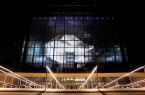





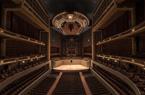





The oldest modern theatre in Rome (and one of the oldest in Europe). Opened on 7 January 1727, after just one year of construction, within Cardinal Andrea Della Valle’s 16th-century building in the Rione Sant’Eustachio, and initially intended solely for private use, the theatre was commissioned by the nobleman Camillo Capranica, who entrusted its construction to the family architect, Tommaso Morelli.
The first building was made of wood and followed the “Italian-style theater” model, a style that emerged between the 17th and 18th centuries: it had a horseshoe-shaped layout, with five tiers of boxes, an upper gallery and a stalls area with benches. Less than a century later, in 1818, in order to comply with the safety and decorum regulations of the Papal States, the theatre was rebuilt in masonry (whilst retaining its dimensions and shape). Giuseppe Valadier was commissioned by the Capranica family to oversee the project, but was later replaced by the architect Gaspare Salvi following the collapse of the building’s upper floor whilst construction was still underway. Re-inaugurated on 26 December 1822, the theatre became a public venue, having obtained from the Church the privilege of staging performances even outside the traditionally permitted periods, namely those of the carnival.
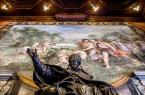
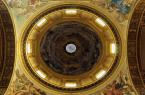
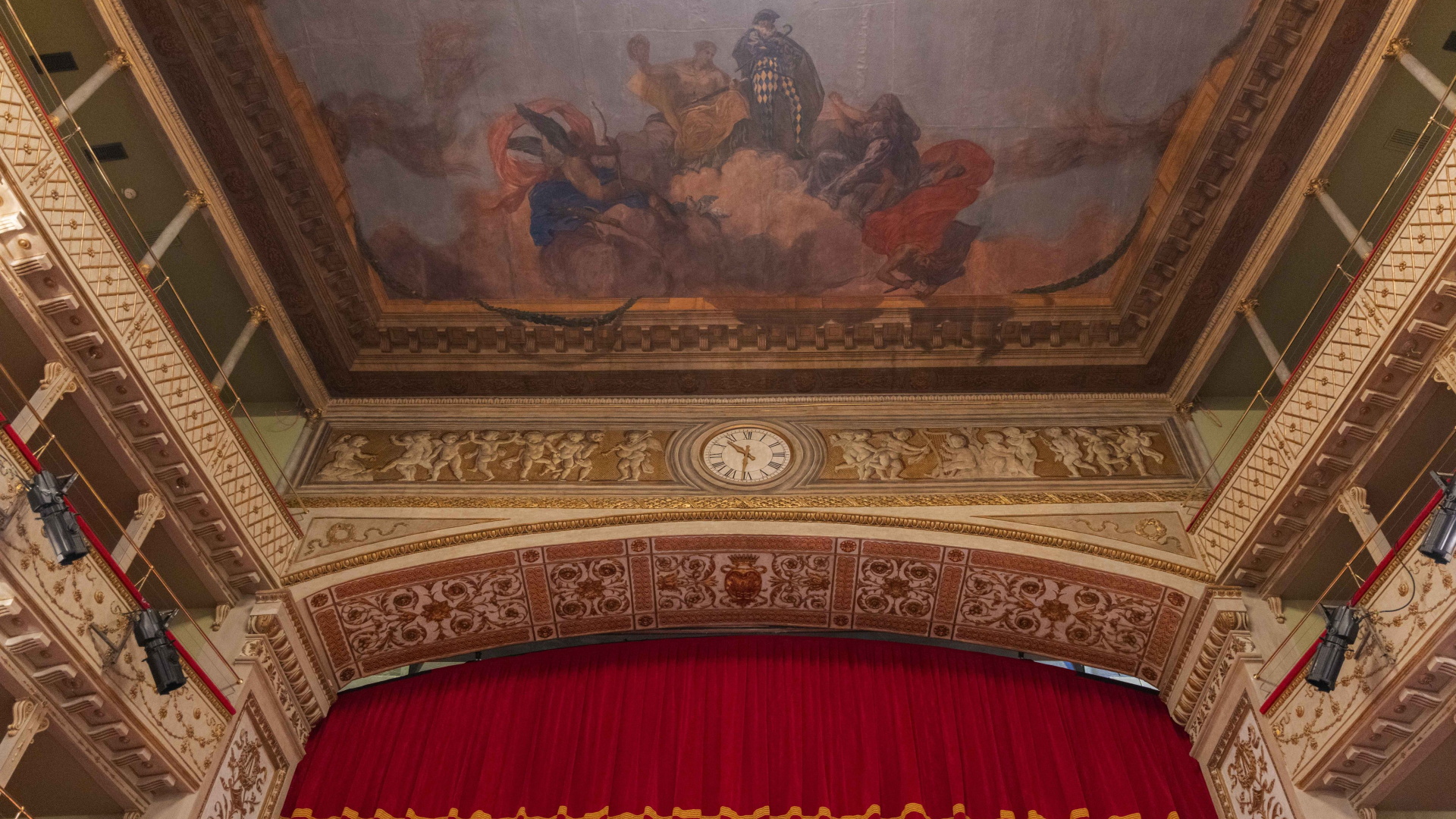
Further restoration and modernisation work took place between the mid-19th century and the 1940s, focusing in particular on the ceiling paintings – redecorated by the painter Silvio Galimberti – the curtain, the royal box and the lighting system, which was refurbished with 104 Bohemian crystal lamps that are still in place today. In 2011, following the dissolution of the ETI (Ente Teatrale Italiano), to which it had been transferred in 1969, the theatre was closed and occupied for three years by actors and theater workers, attracting the attention of the Italian and international media and becoming a space for participation and debate, as well as for independent artistic production. In 2016, the building was transferred to Roma Capitale: following a comprehensive and complex restoration project, the theater reopened to the public in October 2026, under the management of the Fondazione Teatro di Roma.
Over the course of its three centuries of existence, the theater has hosted notable performances such as the Roman premiere of Mozart’s “Don Giovanni” in 1811, the world premieres of several operas by Gioachino Rossini and Gaetano Donizetti, as well as Luigi Pirandello’s “Six Characters in Search of an Author” (in 1921) and Luchino Visconti’s version of “The Cherry Orchard”. Great actresses and actors have graced its stage, from Adelaide Ristori and Eleonora Duse to Eduardo Scarpetta, the De Filippo family, Vittorio Gassman and Luca Ronconi.
Informaciones
For opening times and visiting condition, please check the contacts.
 Condividi
Location
Para conocer todos los servicios de accesibilidad, visite la sección Roma accesible.