












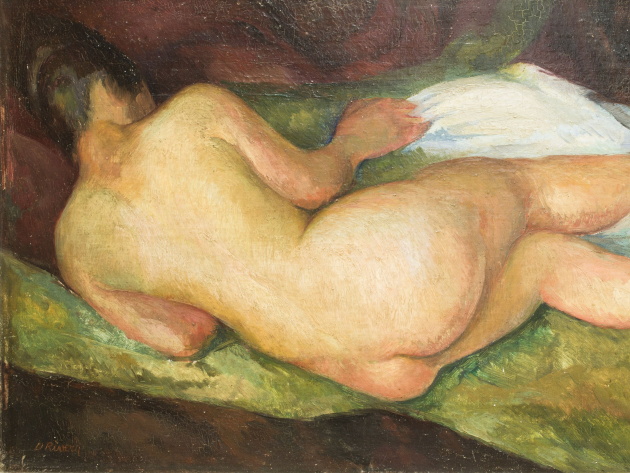
A fascinating journey through the colours, traditions and transformations of Mexico comes to life at the Capitoline Museums – Villa Caffarelli with the exhibition Diego Rivera e la costruzione dell’arte moderna in Messico nel XX secolo (Diego Rivera and the Making of Modern Art in Mexico in the 20th Century). The exhibition brings together more than 140 works, including 30 pieces by Diego Rivera, Mexico’s most celebrated painter and muralist, a leading figure in an artistic movement that helped shape the country’s cultural identity.
The retrospective explores Rivera’s pivotal role in the development of modern Mexican art, highlighting his ability to create a distinctive visual language poised between tradition and innovation, historical memory and a vision of the future. His work represents a meeting point between Mexico’s rich cultural heritage and the emerging ideas of modernity. From this dialogue emerged a unique and recognisable artistic expression, deeply connected to the social realities of its time.
Alongside Rivera’s works, the exhibition features masterpieces by some of the most influential figures in Mexican art from the nineteenth and twentieth centuries, including Frida Kahlo, José María Velasco, José Clemente Orozco, David Alfaro Siqueiros, María Izquierdo, Rufino Tamayo, Lozano, Montenegro, Ruiz, Dr Atl and Saturnino Herrán. Together, they represent a generation of artists who successfully combined tradition, avant-garde experimentation and diverse artistic languages through a constant dialogue between academic training, creative innovation and social engagement. The exhibition is further enriched by audiovisual materials and a selection of historical photographs, including powerful images by Tina Modotti, which capture Rivera and the vibrant cultural atmosphere of the period.
Following Mexico’s independence in 1821, the need emerged to forge a national identity capable of representing a new, diverse and rapidly evolving nation. Art quickly assumed a central role in this process, becoming a powerful tool for shaping Mexico’s identity. Painting, visual culture and the arts helped define the country’s collective imagination and projected the image of a dynamic, plural and constantly evolving nation. Artists looked to Mexico’s roots, drawing inspiration from Pre-Columbian heritage, popular traditions and the social ideals that emerged in the aftermath of the Revolution. As a result, the visual arts played a crucial role in rebuilding the country’s social and cultural fabric, paving the way for the rise of Muralism, one of the most influential artistic movements of the twentieth century, both nationally and internationally.
Promoted in 1921 by José Vasconcelos and developed by artists such as José Clemente Orozco, David Alfaro Siqueiros and Diego Rivera, the movement brought art into public spaces and made it accessible to everyone. Monumental murals narrated the nation’s history through powerful images celebrating ordinary people, workers and local communities. This movement gave rise to a new national iconography. These works spoke directly to the public, strengthened collective memory and redefined the role of the artist, who became an active participant in social and cultural debate.
The Four Sections of the Exhibition
Accademia e tradizione – La formazione di Rivera (Academy and Tradition – Rivera’s Artistic Formation)
The first section explores the relationship between Diego Rivera and the artistic legacy of the nineteenth century. It focuses on the role of academies and fine arts schools in shaping artists’ education and offers insight into the technical and cultural foundations of Mexican modernity.
Il contributo di Diego Rivera e del Messico alle avanguardie europee – Gli anni europei (Diego Rivera, Mexico and the European Avant-Garde – The European Years)
This section examines Rivera’s time in Europe and his engagement with Cubism and the leading avant-garde movements of the period. Through artworks and archival materials, visitors can discover the original contribution Mexican artists made to the international art scene and the emergence of a new visual vocabulary.
Il Rinascimento culturale messicano (The Mexican Cultural Renaissance)
The third section explores the extraordinary cultural flourishing that followed the Revolution. During these years, visual arts, literature, architecture and music all contributed to the construction of a modern national identity. Pre-Columbian heritage, folk traditions and new social sensibilities came together to create one of the most fertile and dynamic periods in Mexican cultural history.
Oltre il Realismo sociale (Beyond Social Realism)
The final section investigates how the ideas born from Muralism spread and evolved beyond the boundaries of Social Realism. The works on display demonstrate the vitality of modern Mexican art and reveal how numerous artists expanded their visual language through experimentation and innovative creative research.
The exhibition is promoted by Roma Capitale, the Assessorato alla Cultura e al Coordinamento delle iniziative riconducibili alla Giornata della Memoria, together with the Sovrintendenza Capitolina ai Beni Culturali. It has been organised in collaboration with MetaMorfosi Eventi and the Kaluz Museum in Mexico City, with the support of Zètema Progetto Cultura and under the patronage of INBAL – Mexico’s National Institute of Fine Arts and Literature and the Embassy of Mexico in Italy.
The exhibition is curated by Miguel Fernández Félix, Director of the Kaluz Museum, and Alberto González Torres, Director of the Robert Brady Museum. Their work guides visitors through the artistic landscape that shaped Diego Rivera’s career and helped establish Mexico as one of the most vibrant and innovative cultural centres of the twentieth century.
Cover image: Diego Rivera (1886–1957), Desnudo de espalda, 1919, Mexico City, Museo Kaluz. © Banco de México.
Informaciones
Dal 9 giugno al 13 dicembre 2026
Tutti i giorni ore 9.30-19.30
Ultimo ingresso un'ora prima della chiusura
CONSULTA SEMPRE LA PAGINA AVVISI prima di programmare la tua visita al museo
 Condividi