






















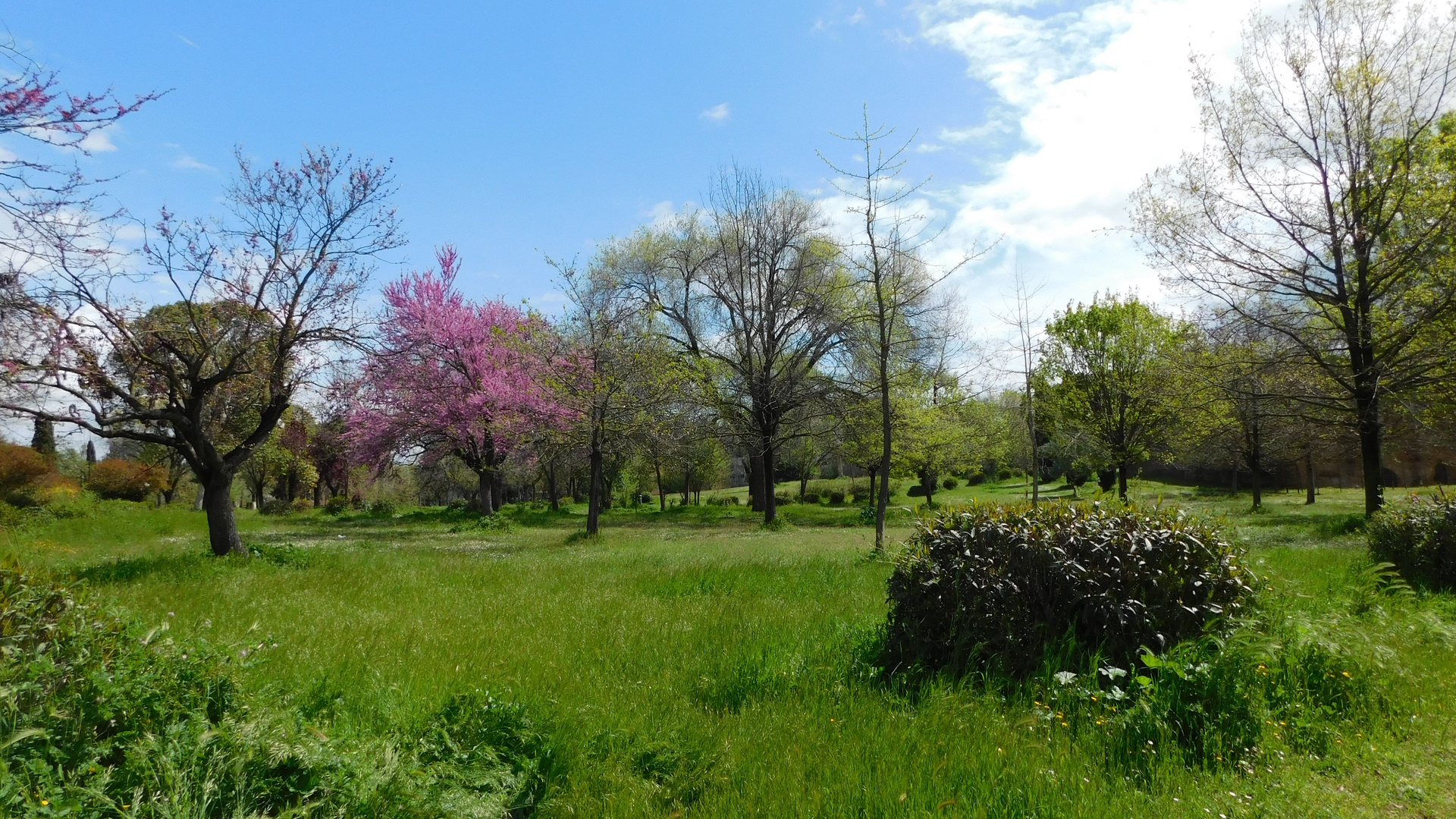
Der Park der Villa Gordiani erstreckt sich entlang der Via Prenestina auf beiden Seiten der Straße. Sein Name leitet sich von der kaiserlichen Familie aus dem 3. Jahrhundert n. Chr. ab, der allgemein das Eigentum an dem auf diesem Gelände befindlichen Komplex zugeschrieben wird.
Ausgrabungen, die von 1954 bis 1960 durchgeführt wurden, haben jedoch die Existenz bereits früherer Bauwerke belegt. Der Bau der Villa, die den ursprünglichen Kern des gesamten Komplexes bilden dürfte, geht vermutlich auf die Zeit Cäsars zurück, mit späteren Umbauten, von denen heute nur noch sehr wenige Überreste sichtbar sind, da sie unmittelbar nach der Ausgrabung aus konservatorischen Gründen wieder zugeschüttet wurde.
Aus einer späteren Phase, die auf die späte Kaiserzeit datiert werden kann, stammt hingegen der Komplex aus Räumen unterschiedlicher Form und Größe, die fast alle aus Ziegelsteinen errichtet wurden; er bildet einen von der Villa unabhängigen Teil und ist durch einen langen Portikus mit ihr verbunden.
Noch heute ist die große Apsis mit ihrem trapezförmigen Muschelgewölbe, in deren Inneren sich Nischen befinden, fast vollständig zu sehen. Die bedeutendsten antiken Zeugnisse sind das Mausoleum und die Basilika.
Am westlichen Ende des Villengeländes befinden sich zwei große Zisternen und eine Reihe von Nebenbauten; ebenfalls im nördlichen Teil des Parks befindet sich ein großer achteckiger Saal mit Kuppeldach und Ziegelverkleidung. Die Funktion dieses Gebäudes scheint die eines monumentalen Eingangsbereichs zum Villenkomplex zu sein, der aufgrund seiner Merkmale auf den Beginn des 4. Jahrhunderts n. Chr. datiert werden kann.
Entlang der Via Prenestina reihen sich, wie es an den Hauptstraßen Roms üblich war, zahlreiche Grabstätten aneinander, unter denen vor allem ein schönes, gewölbtes Kolumbarium hervorsticht, das auf die Zeit zwischen dem Ende des 1. Jahrhunderts v. Chr. und dem Beginn des 1. Jahrhunderts n. Chr. datiert werden kann.
Informationen
From dawn to dusk
 Condividi
Locations
Um mehr über alle barrierefreien Dienste zu erfahren, besuchen Sie den Abschnitt barrierefreies Rom.